




ETHIOPIA - THE SOUTH
A travel report - Part 6
06/05/2019 – From Konso to Jinka
(09/28/2011 according to the Ethiopian calendar)
 |
Today
we leave the Konso area and head north-west to Jinka. At around 300 km,
this will be one of the longest daily stages of our trip. There will
also be some unpaved road sections on this route. That's why there is
nothing on the program today ... except "The journey is the goal." |
Nevertheless, we did not plan
our onward journey until around 9:00 a.m., so we can sort ourselves in
peace and have our breakfast in the beautiful outdoor area of the
restaurant with the twittering of birds. We don't even have water
problems this morning. As a precaution, we had prepared a few water
reserves in cans that we didn't need today. ;-)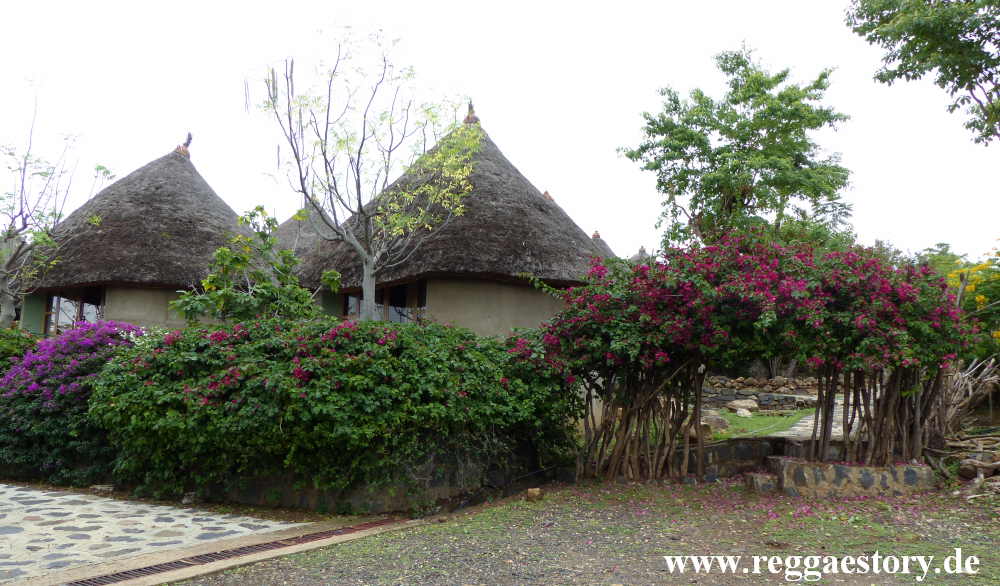 Image 430: Kanta Lodge - Konso 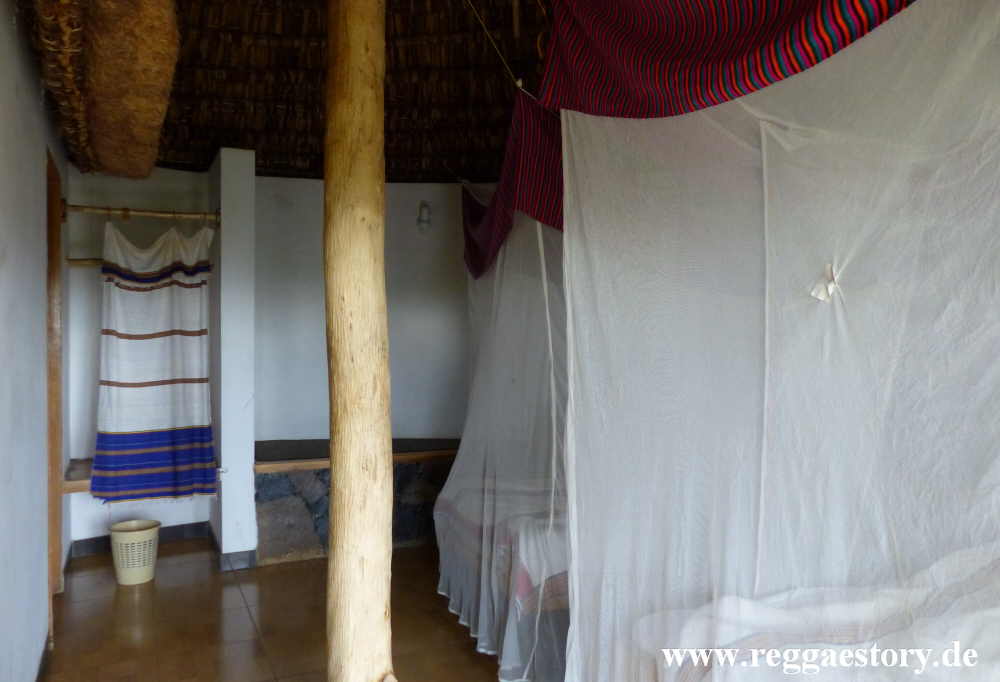 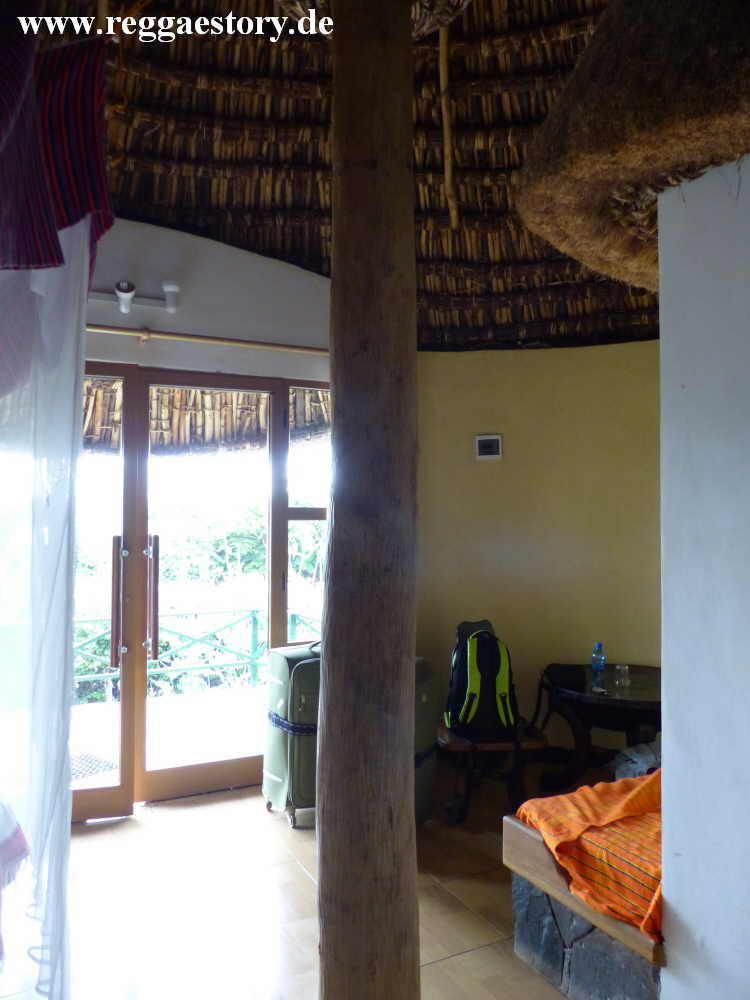
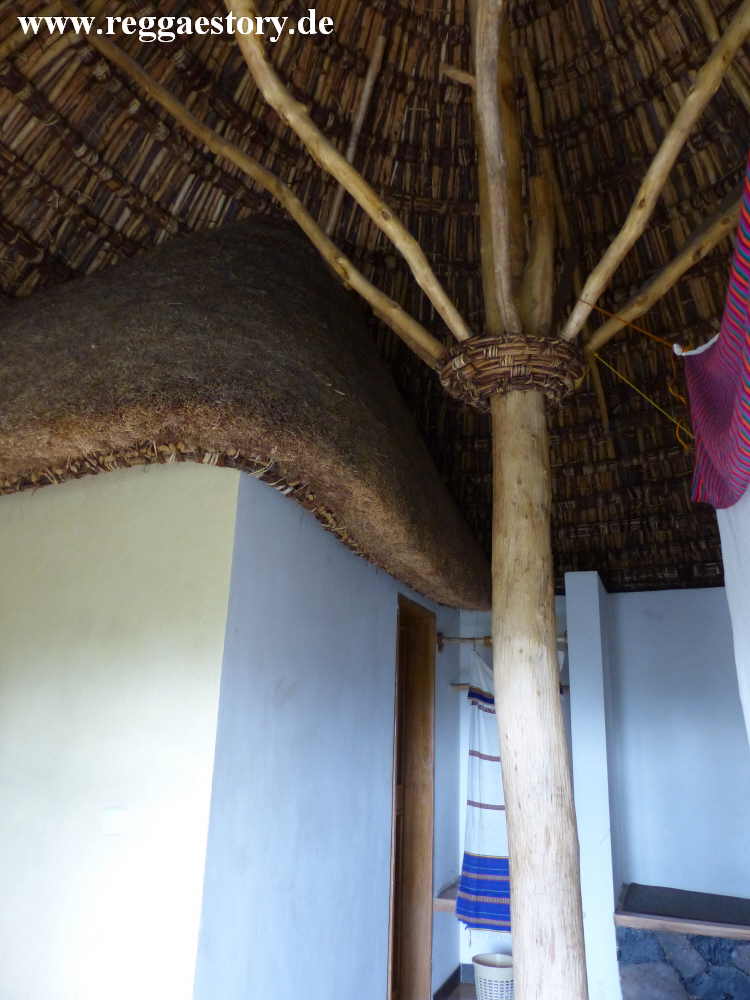 Image 431 - 433: View of the interior of our bungalow Image 433: Passage to the sanitary area with an extra roof Now only Alex and Mastu have to arrive to pick us up. As is so often the case with private tours in Ethiopia, the guide and driver do not sleep in the same accommodation as the tourists, unless the price category is adapted to local conditions. 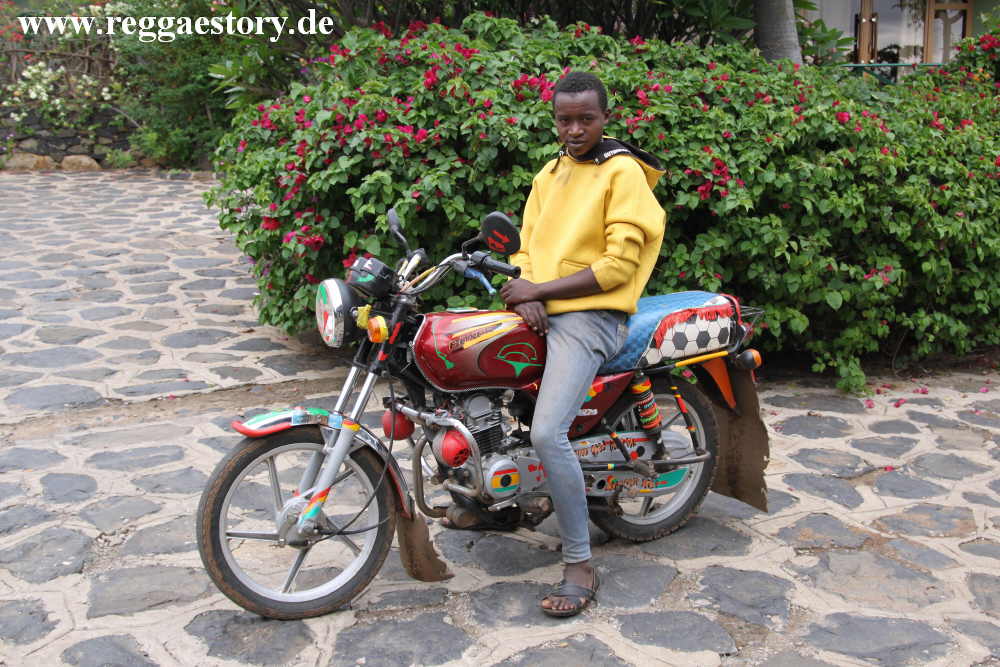 Image 434: But you have a great motorcycle! Finally the time has come and we leave the Kanta Lodge until we will pass here again in a few days on our way back. One last look at Gamole and then we drive into an area that is new to us. 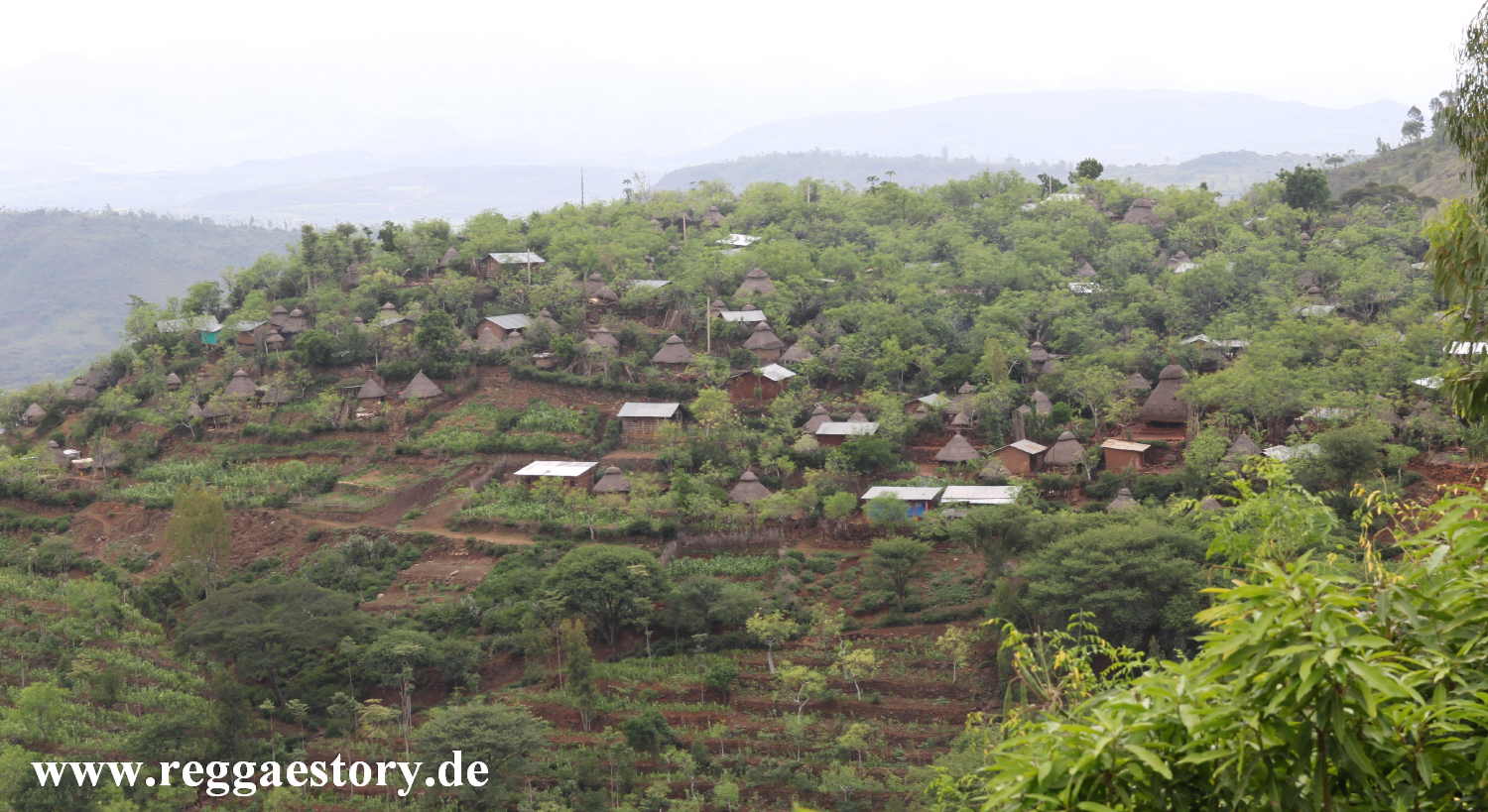 Image 435: Gamole from afar As is so often the case, there is once again a scenic route ahead of us to be discovered, so it takes barely 20 minutes that we want to make another stop. 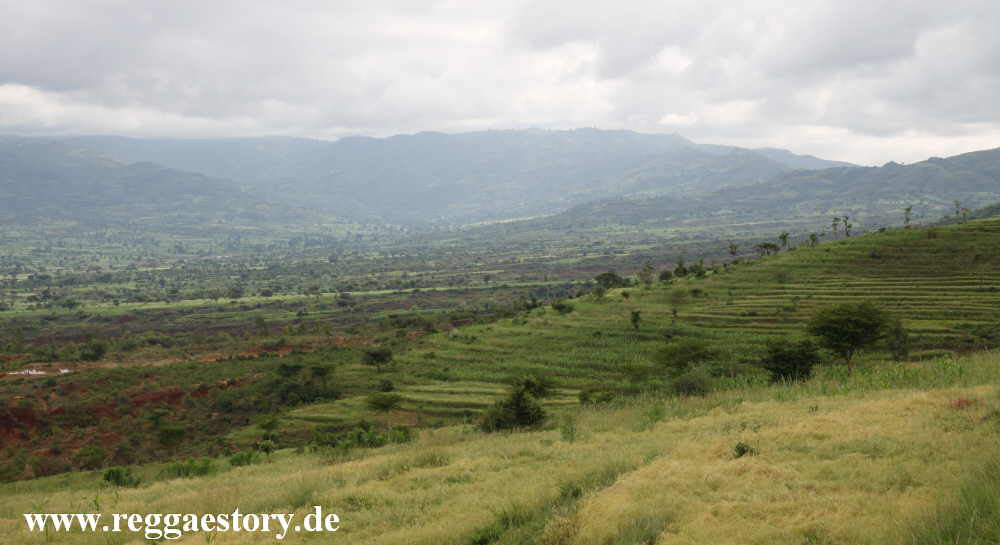 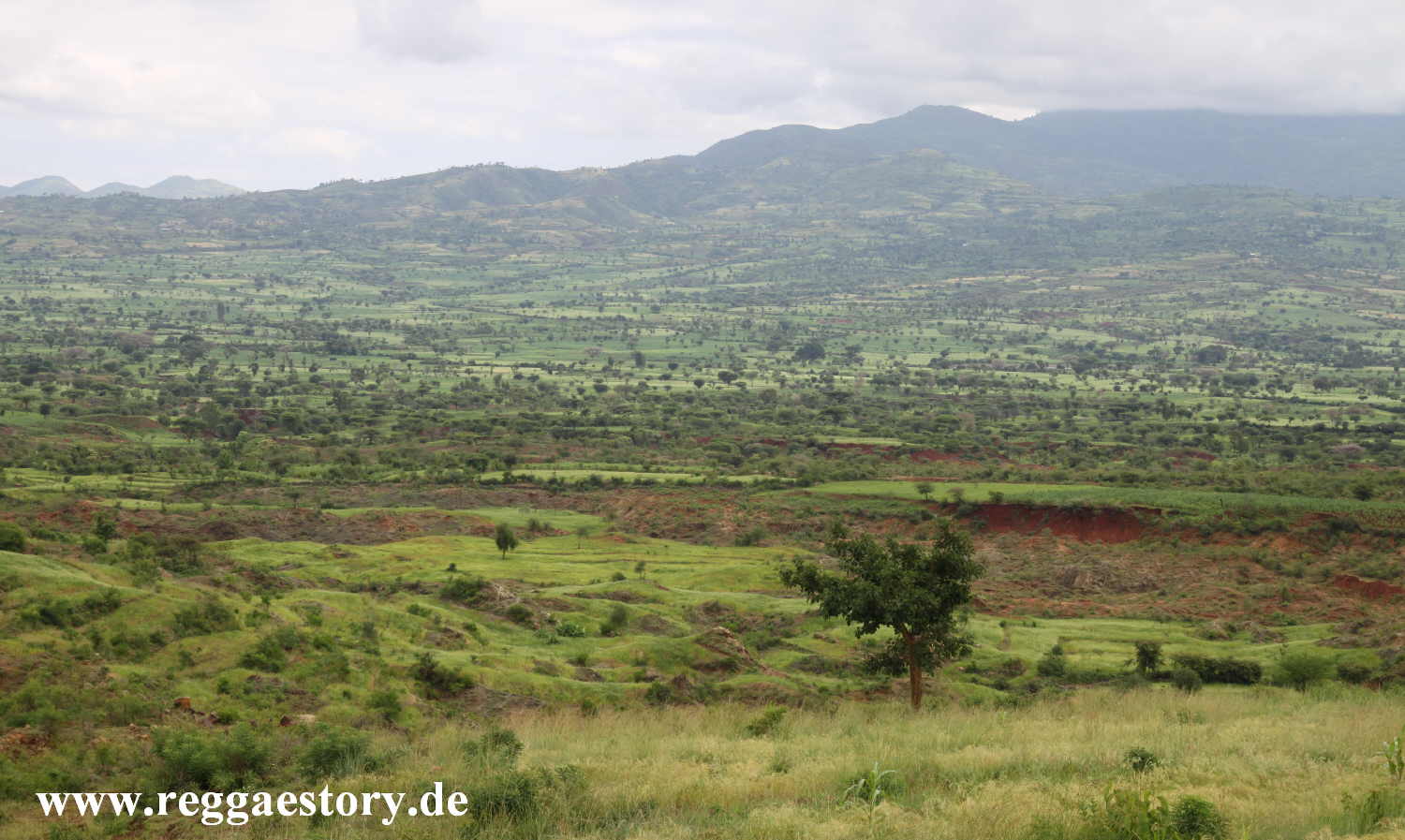 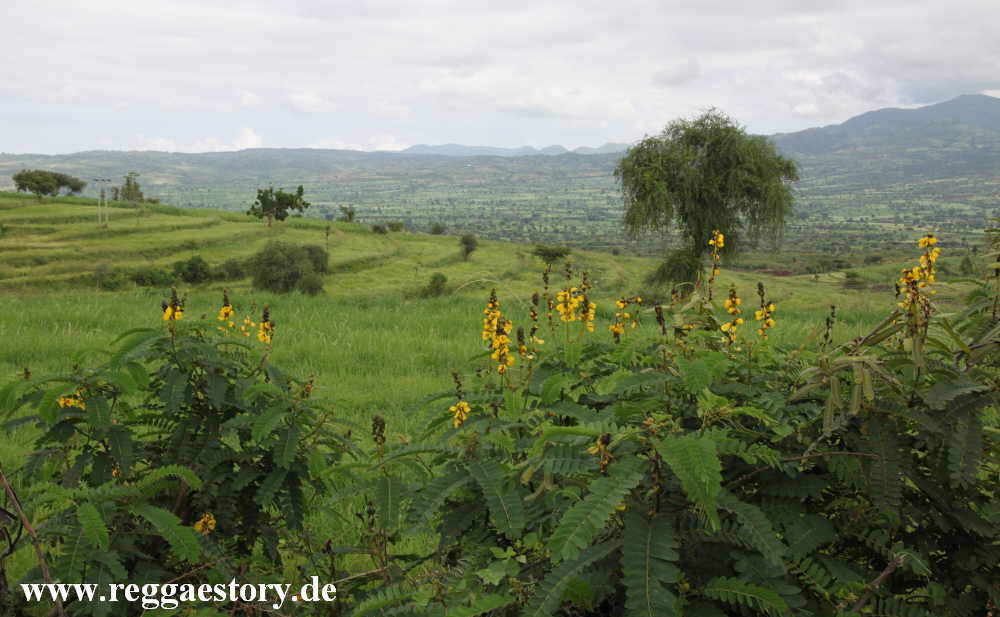 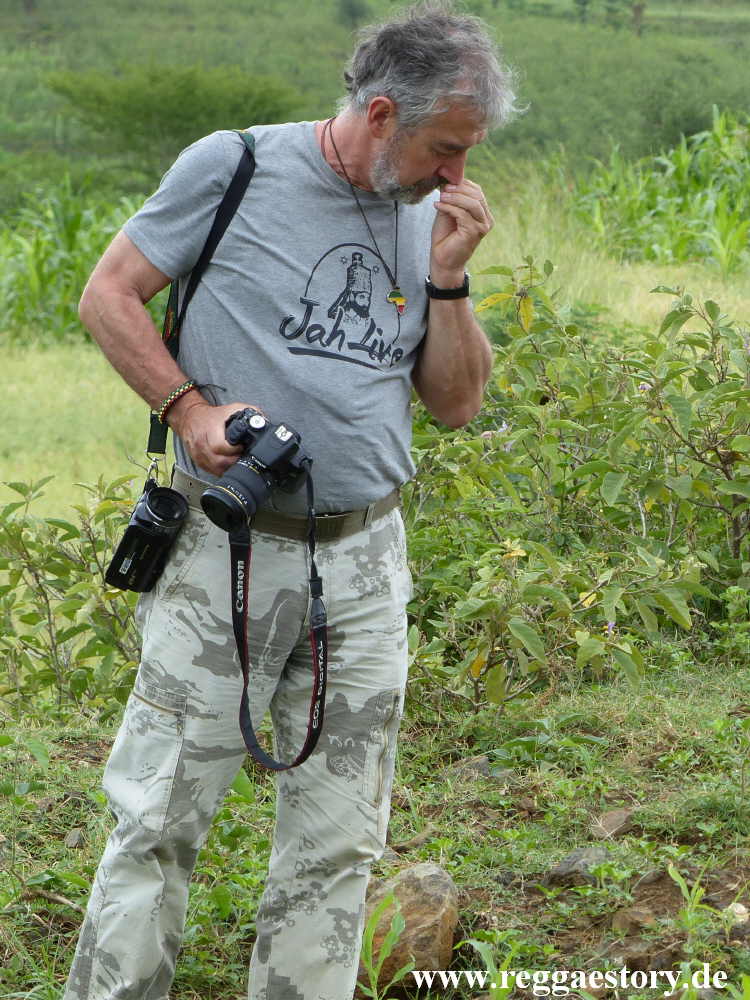
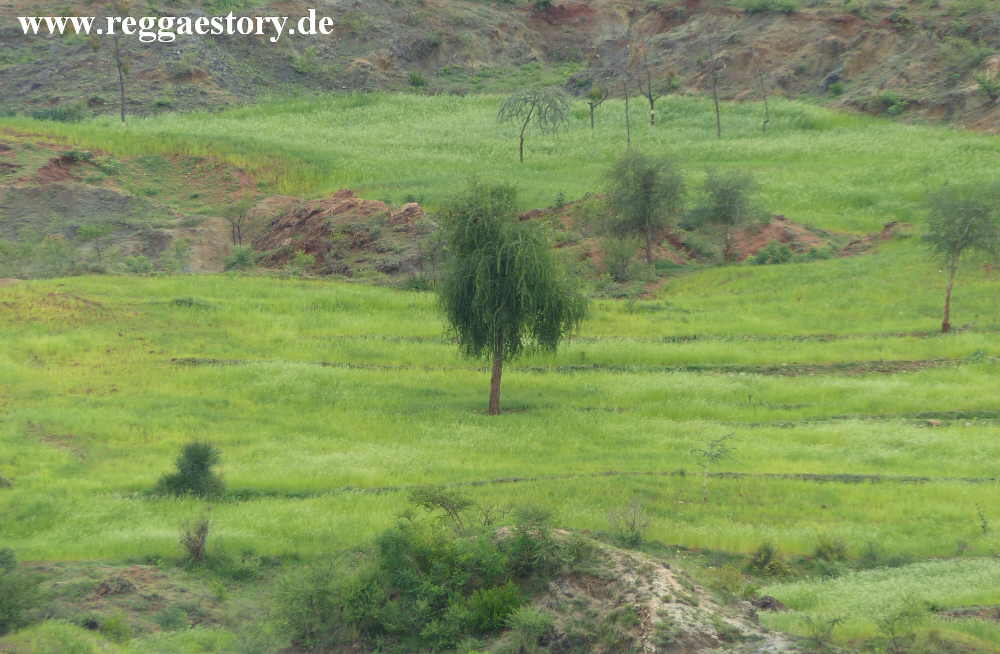 Image 436 - 440: About 20 minutes west of Konso Image 438: Peanut cassia - Cassia didymobatrya can also be found under senna (carob plant >> cassia) in the foreground of the image Image 439: Always on a "trial course" with all plants Only 10 minutes later we cross a large river bed, which in turn tempts us to take a few closer exploratory walks. 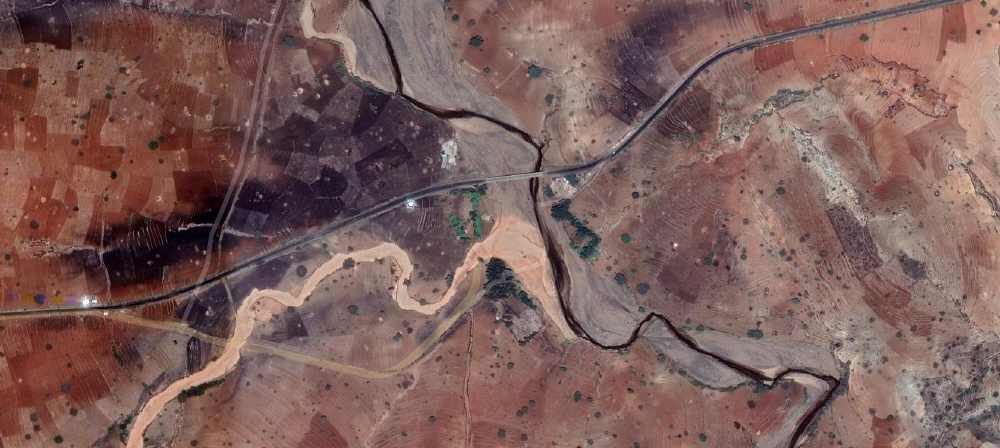 Image 441: Google Map - River valley west of Konso - Simply click on the image or link and continue exploring the location. 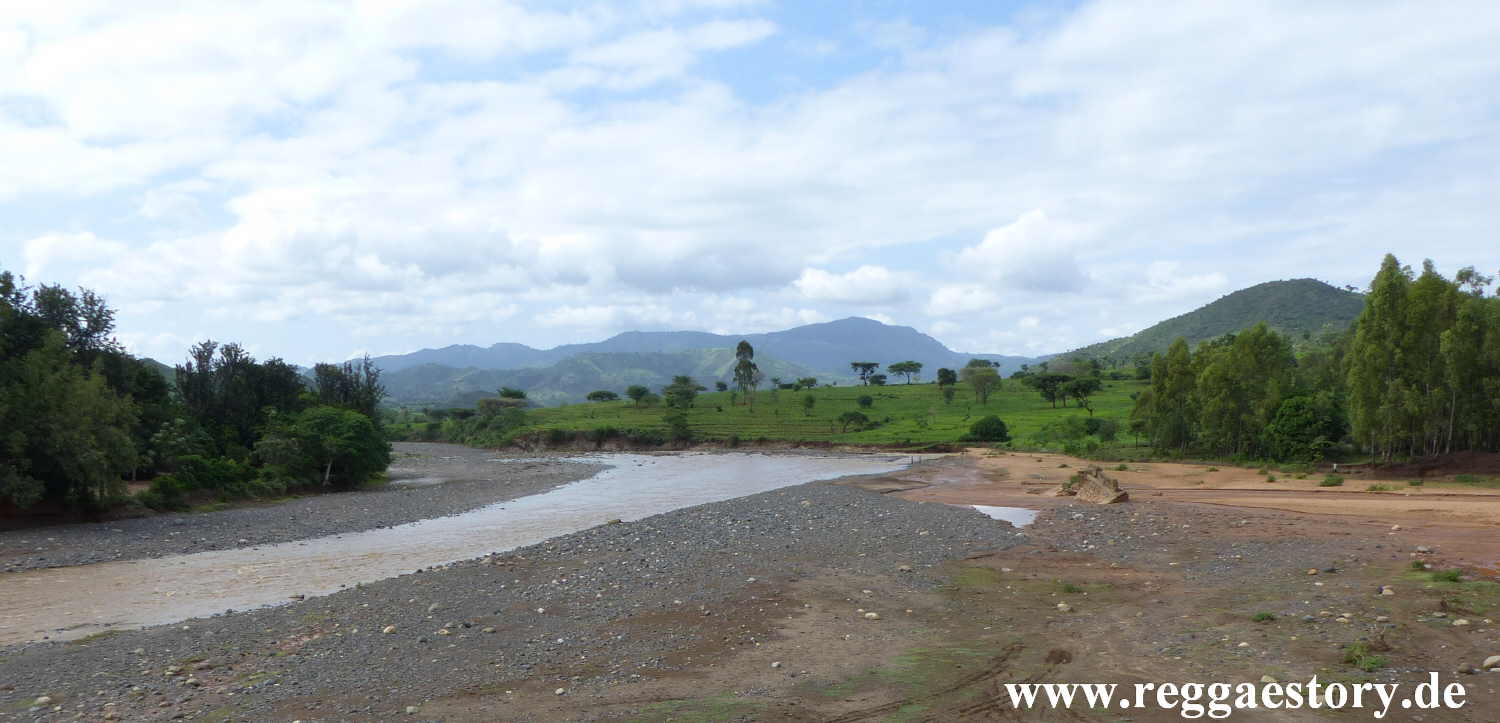 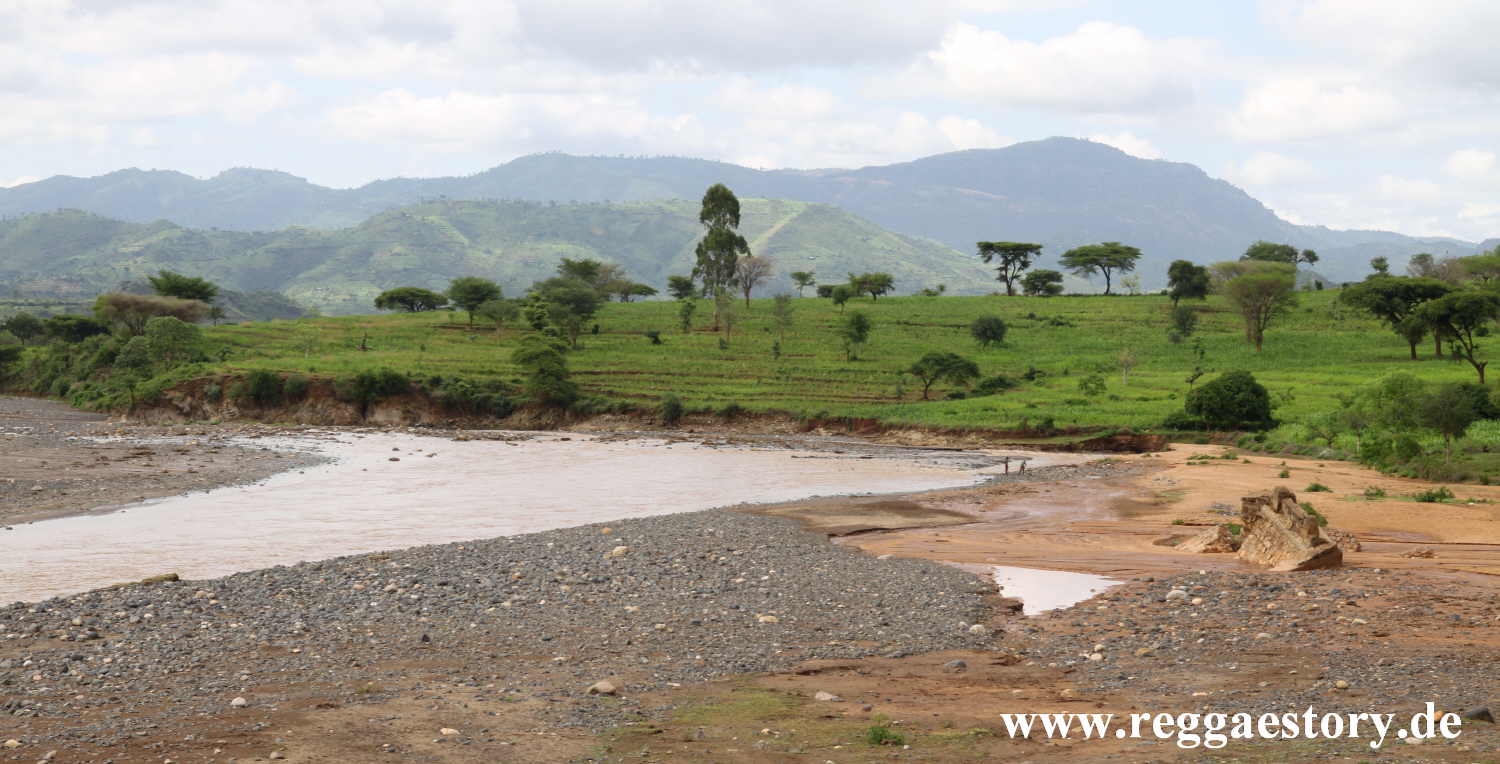 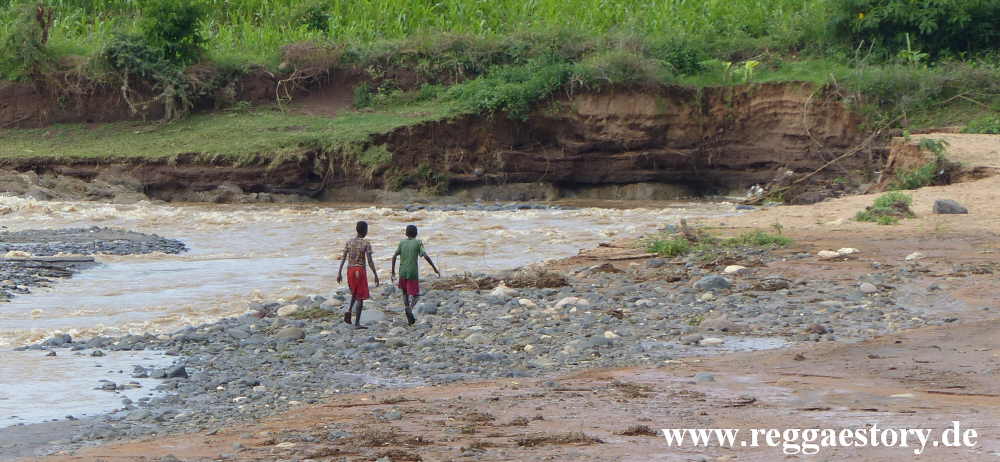 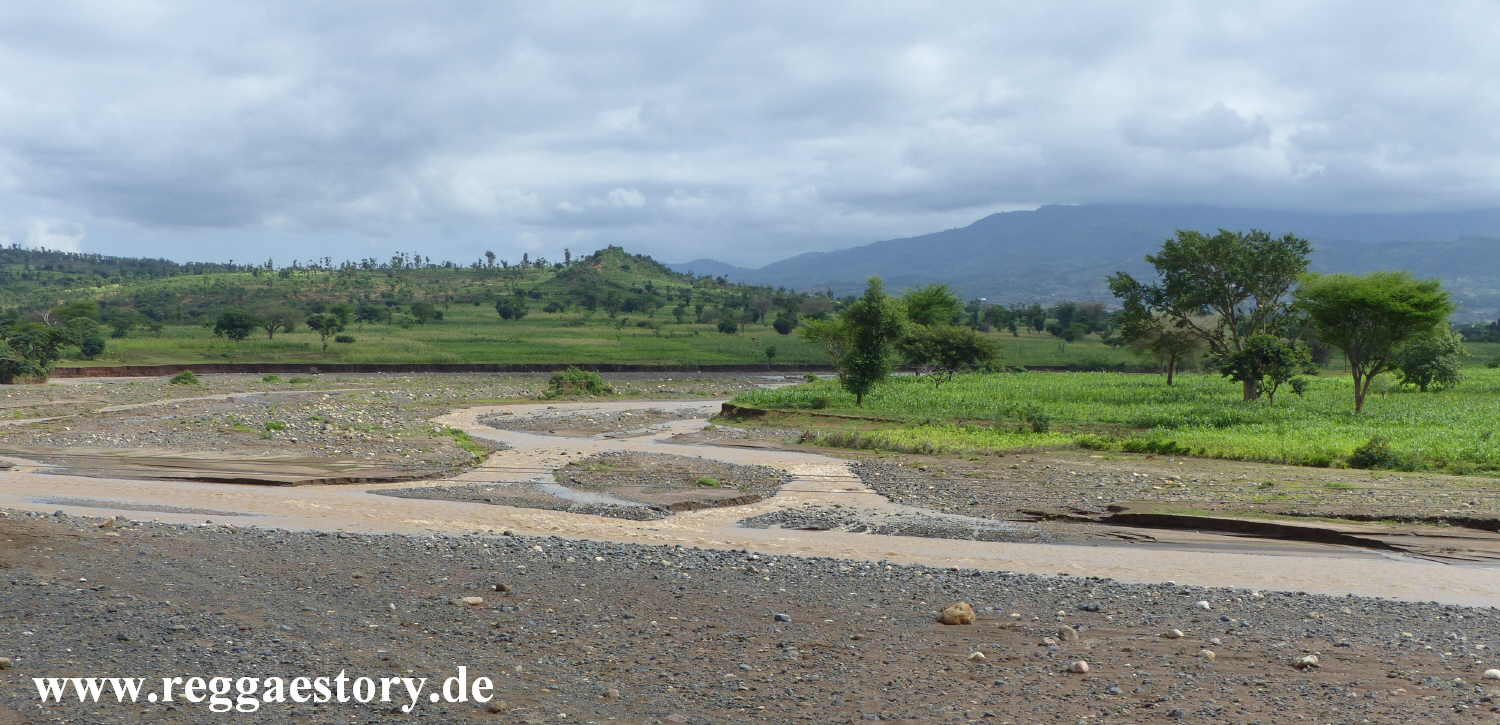 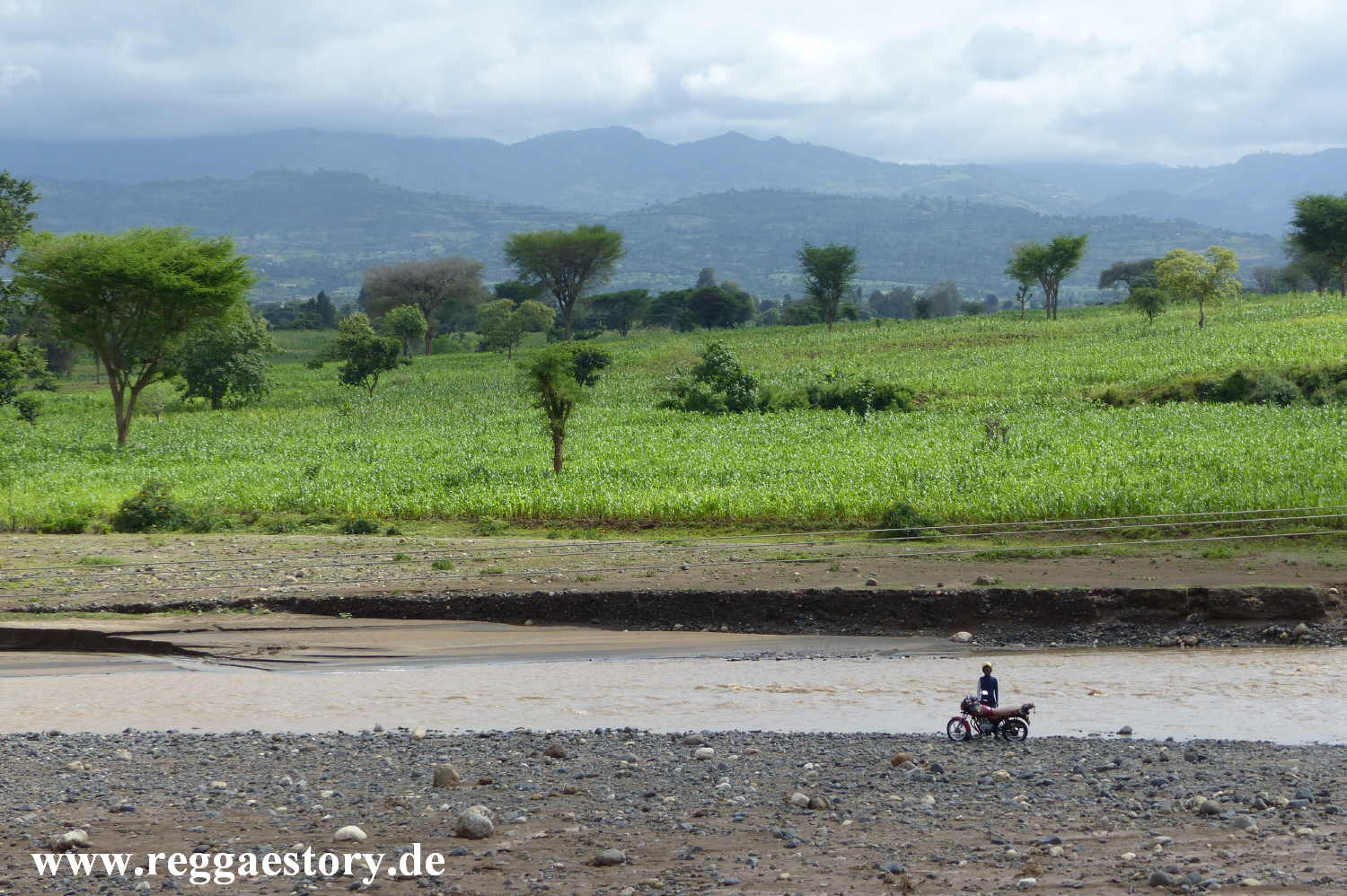 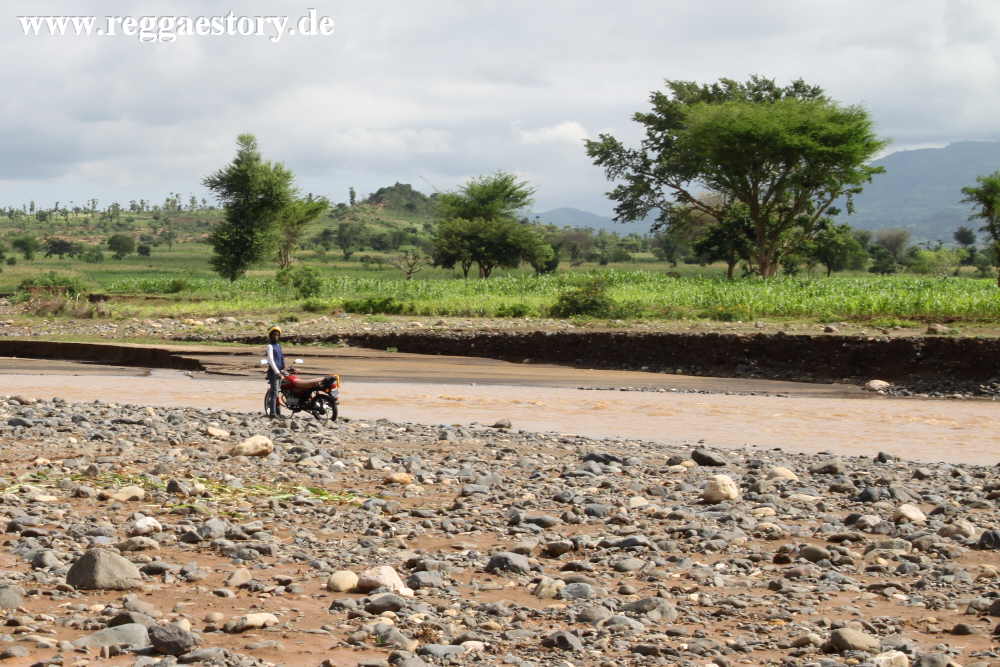 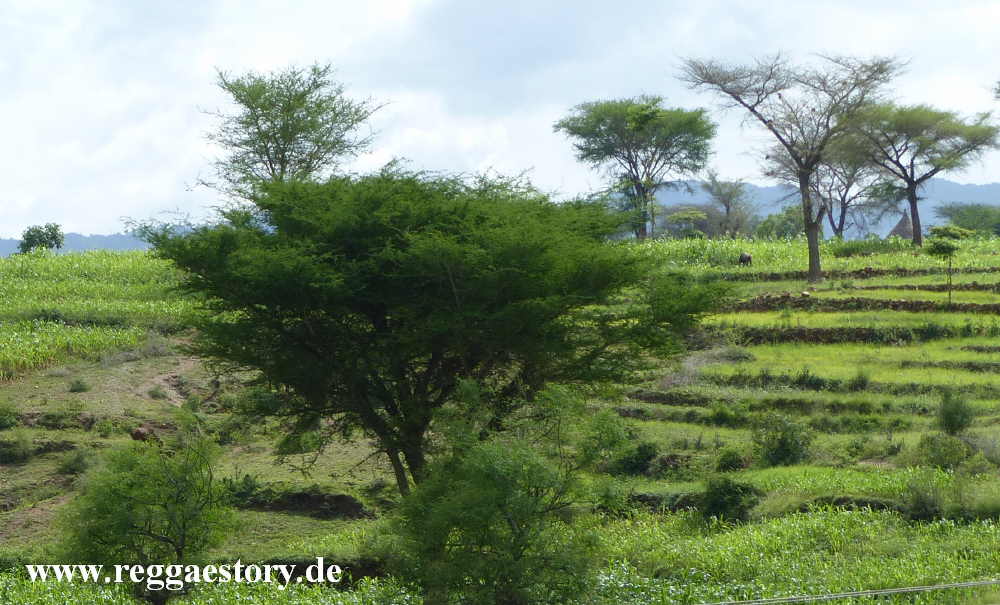 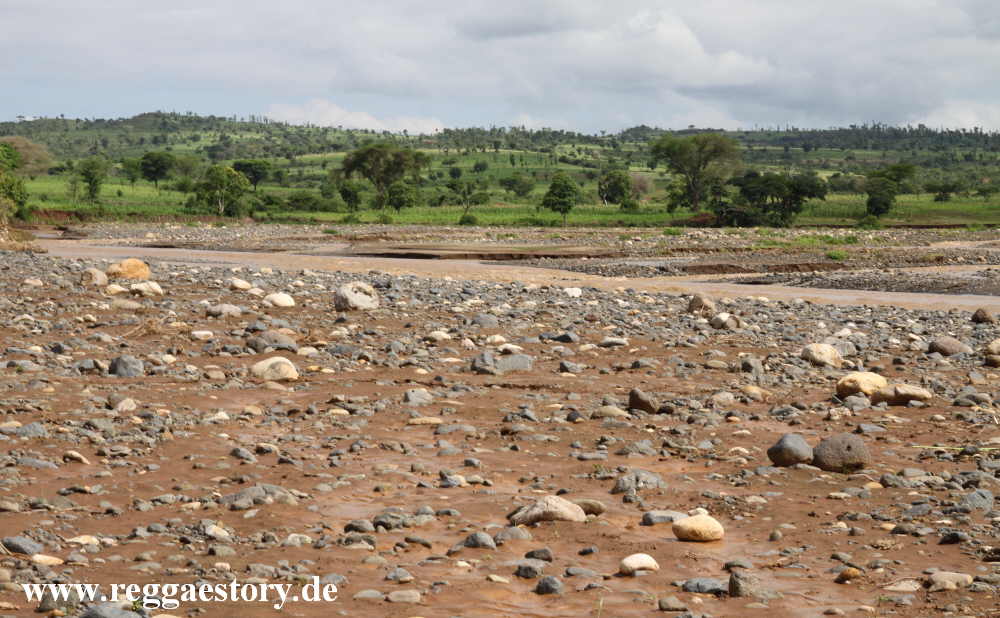 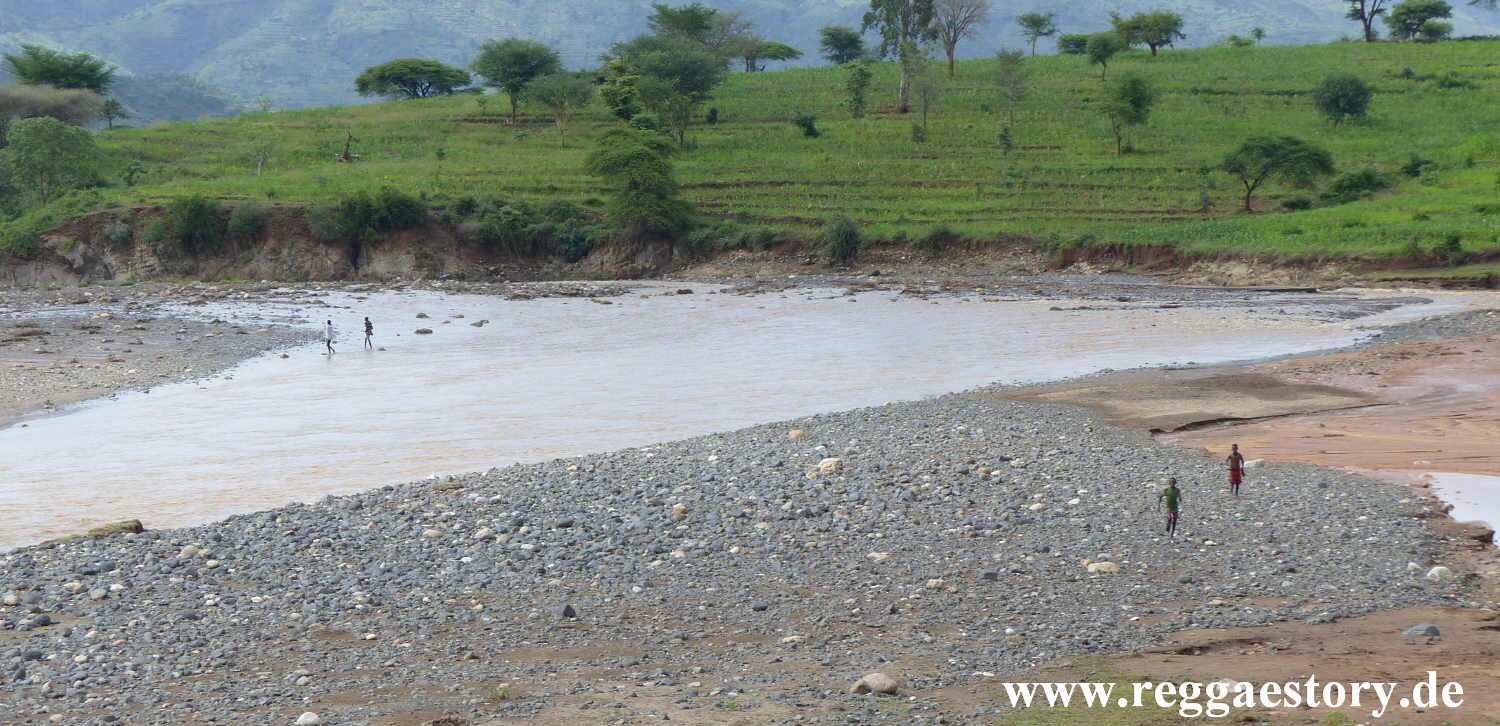 Image 442 - 450: River valley about 30 minutes west of Konso Image 450: We are exposed. The children have changed direction. ;-) The numerous stones lying in the river bed are particularly attractive for us, because we have already found one or the other beautiful mineral in other similar places. Unfortunately we don't find anything special this time. However, it is also not so easy for us to get to the water with its scree field if we don't want to have our shoes filled with mud already in the morning. 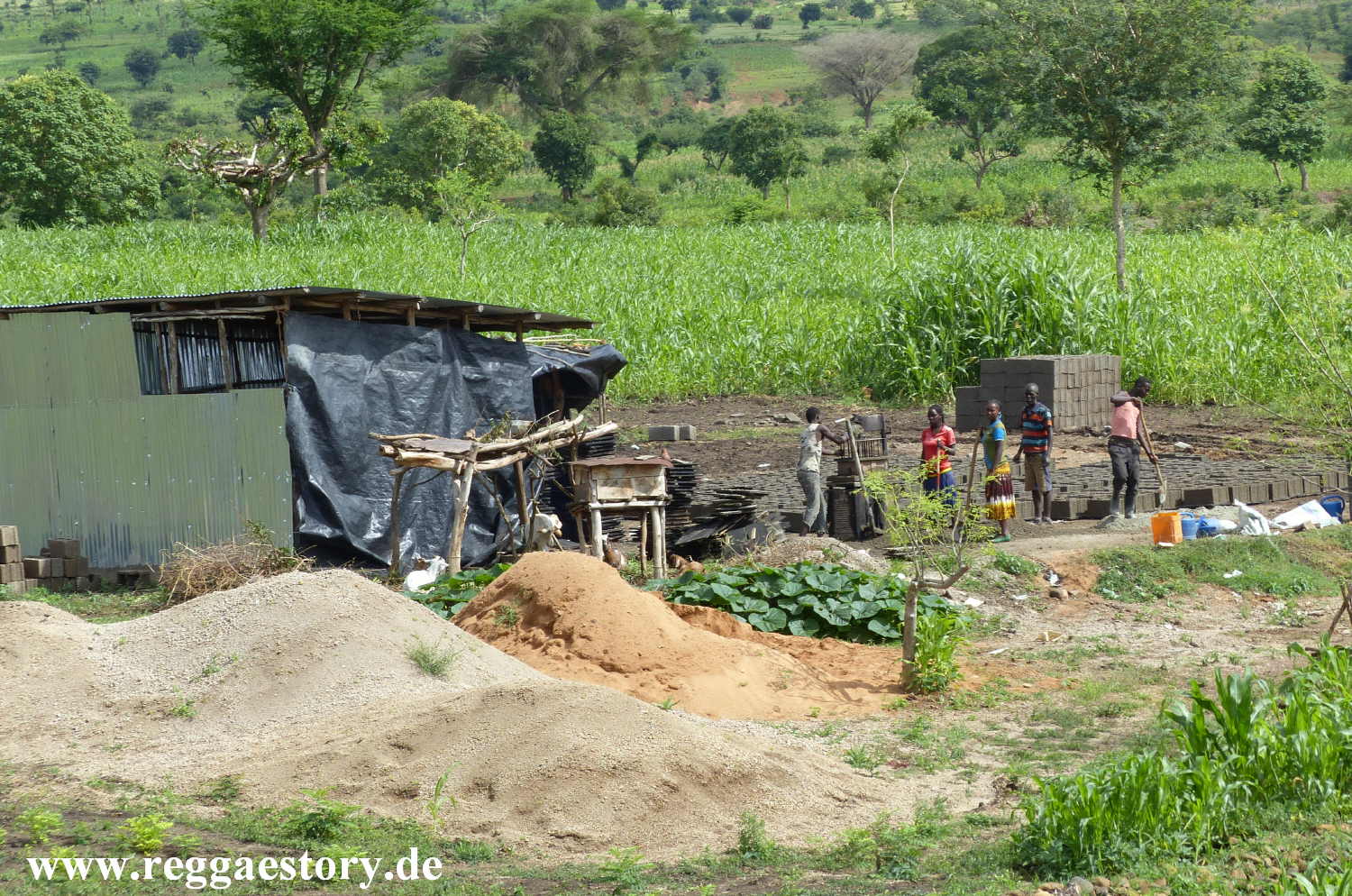 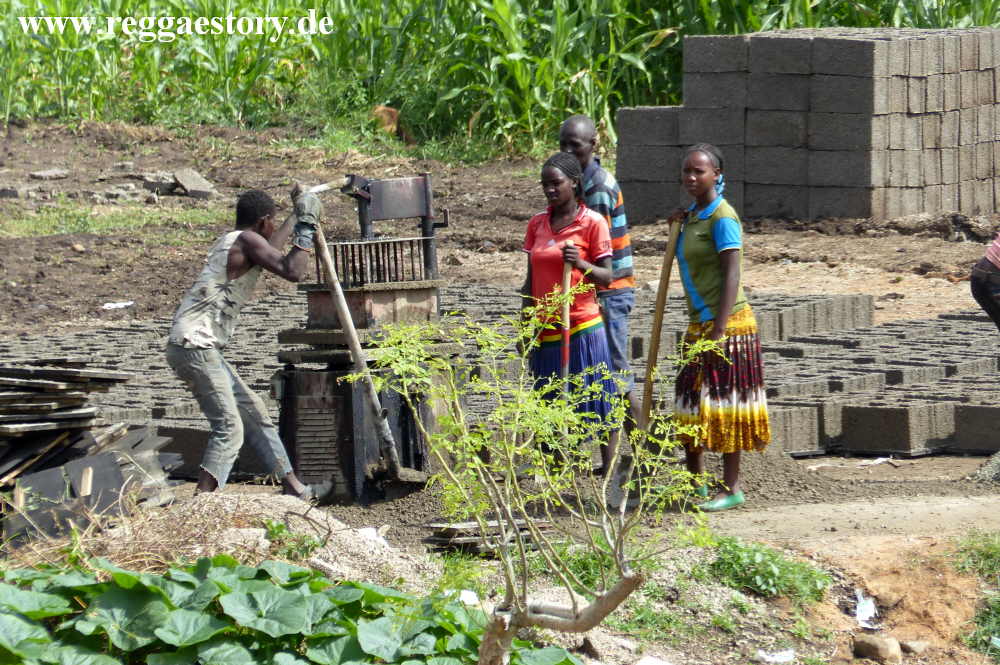 Image 451 + 452: Production of hollow concrete blocks with river sand River valleys like these are often used in Ethiopia to extract sand for road construction and the construction industry or even for small craft businesses that manufacture hollow concrete blocks right on the river. Every now and then you can even see huge trucks that are even shoveled full of sand over sacks and baskets by hand, unless an excavator is available. 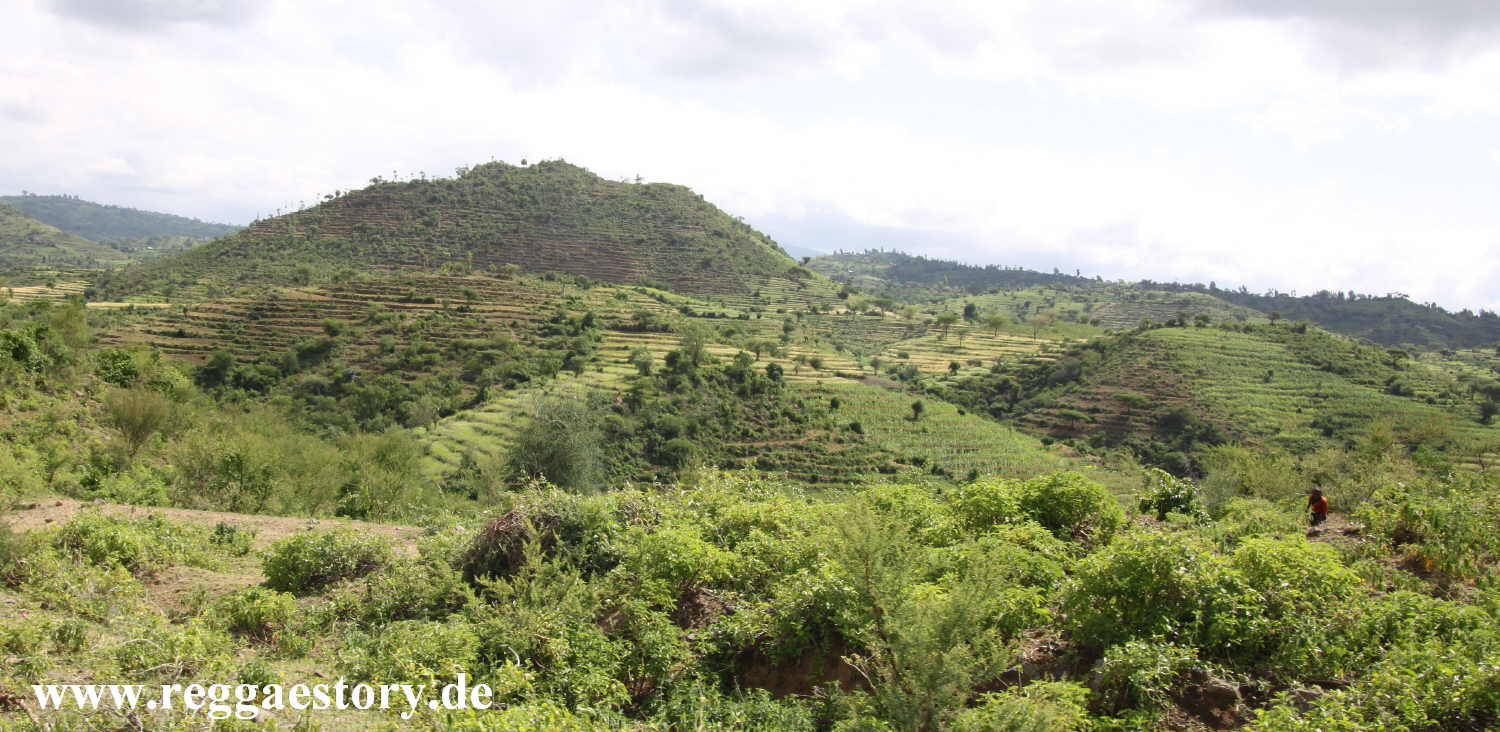 Image 453: And on it goes through the beautiful landscape with many terraced fields. 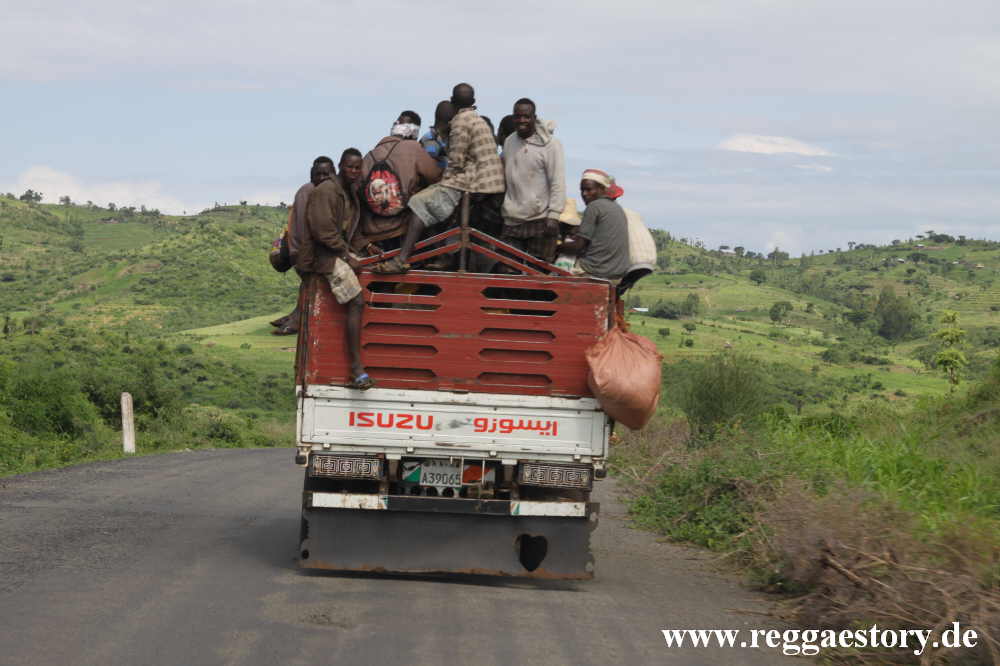 Image 454: Any ride is welcome. About 30 minutes later after our river bed exploration, our minibus climbs up a mountain slope over numerous serpentines. We turn around again and our eyes wander over a huge plain. Every now and then, the noise of the engine of a truck, which penetrates from the depths to our ears and at some point torments their way past our stopping point, is annoying. It can of course take some time before the pleasant silence returns, which then only belongs to the birds and the wind. 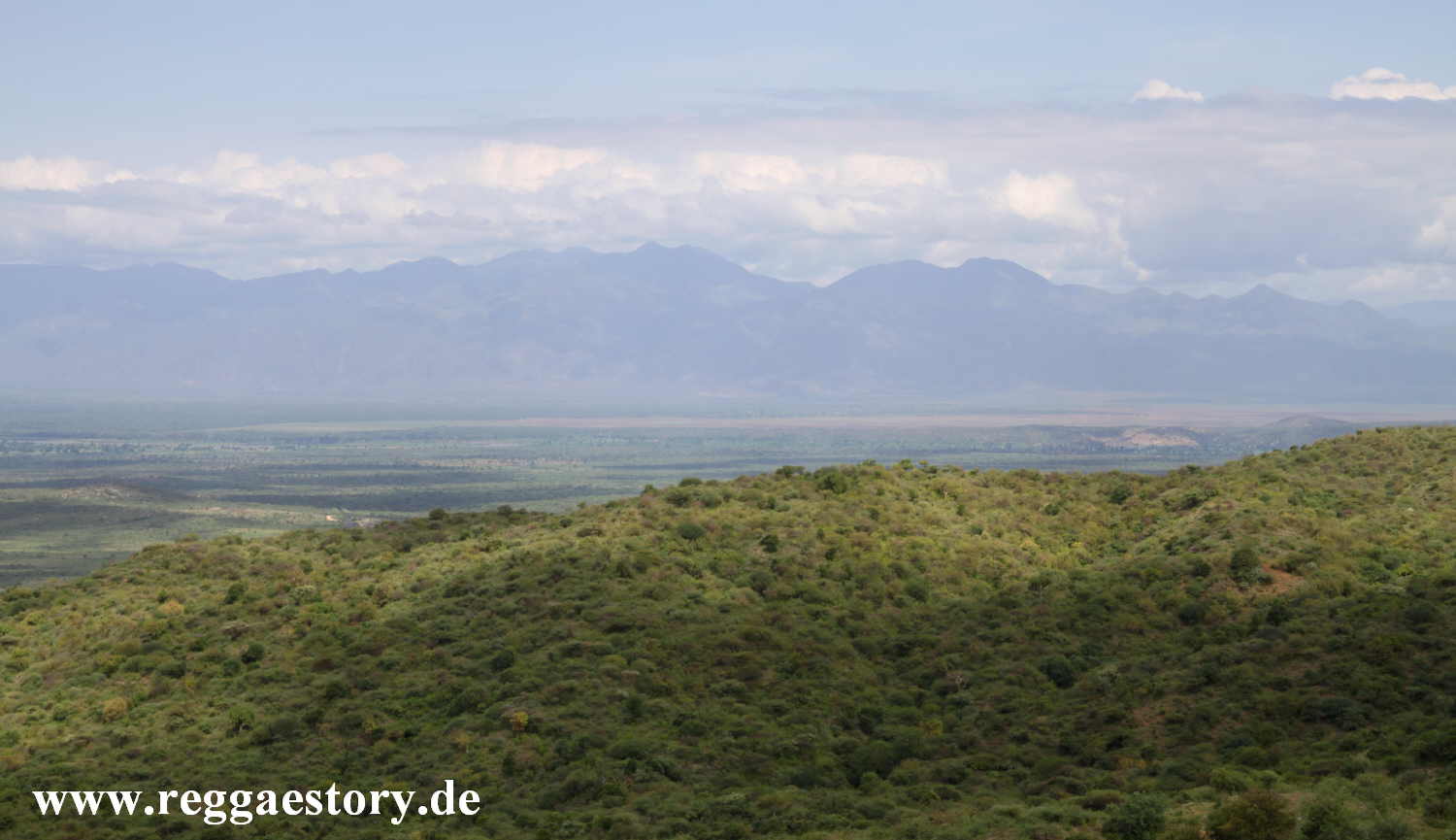 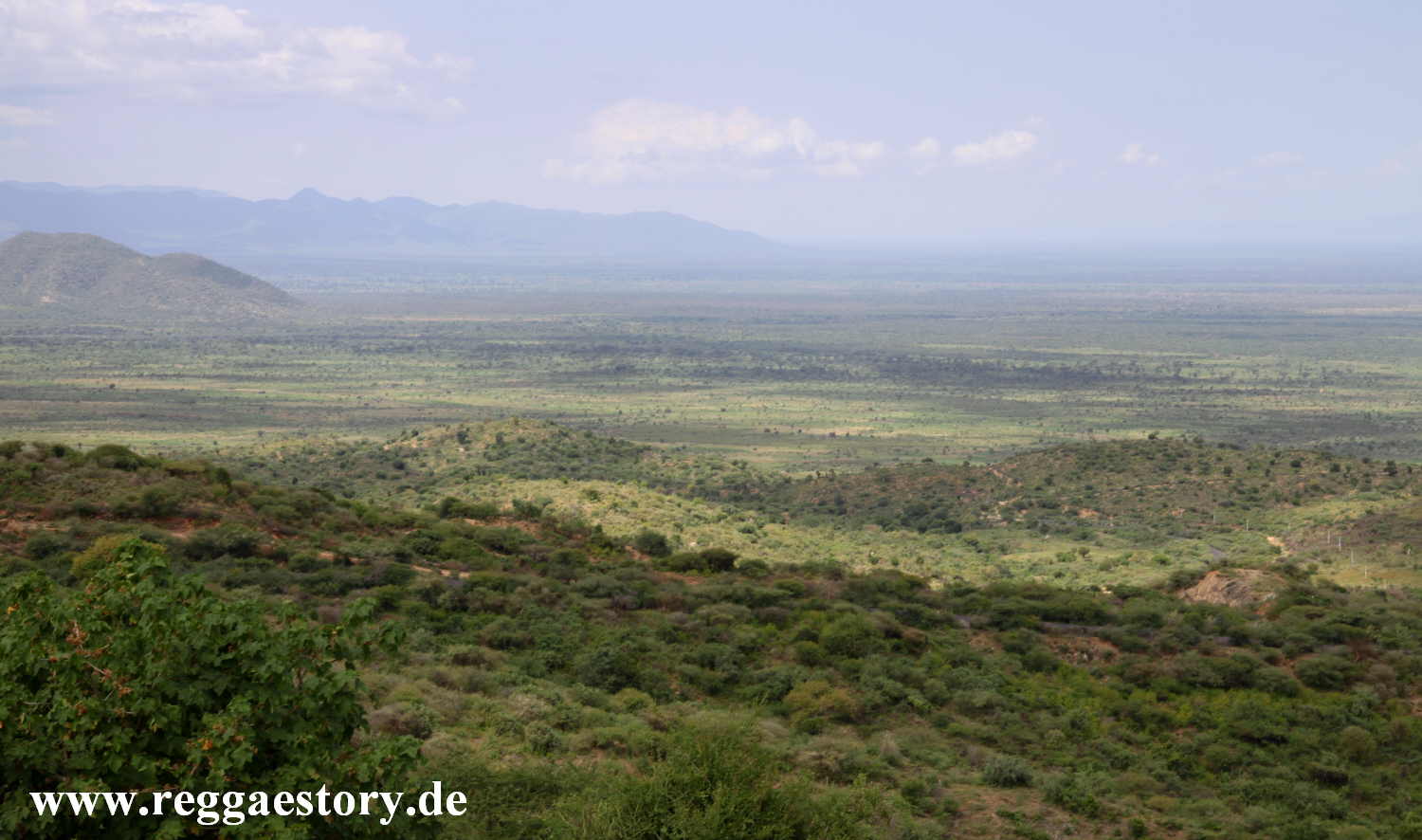 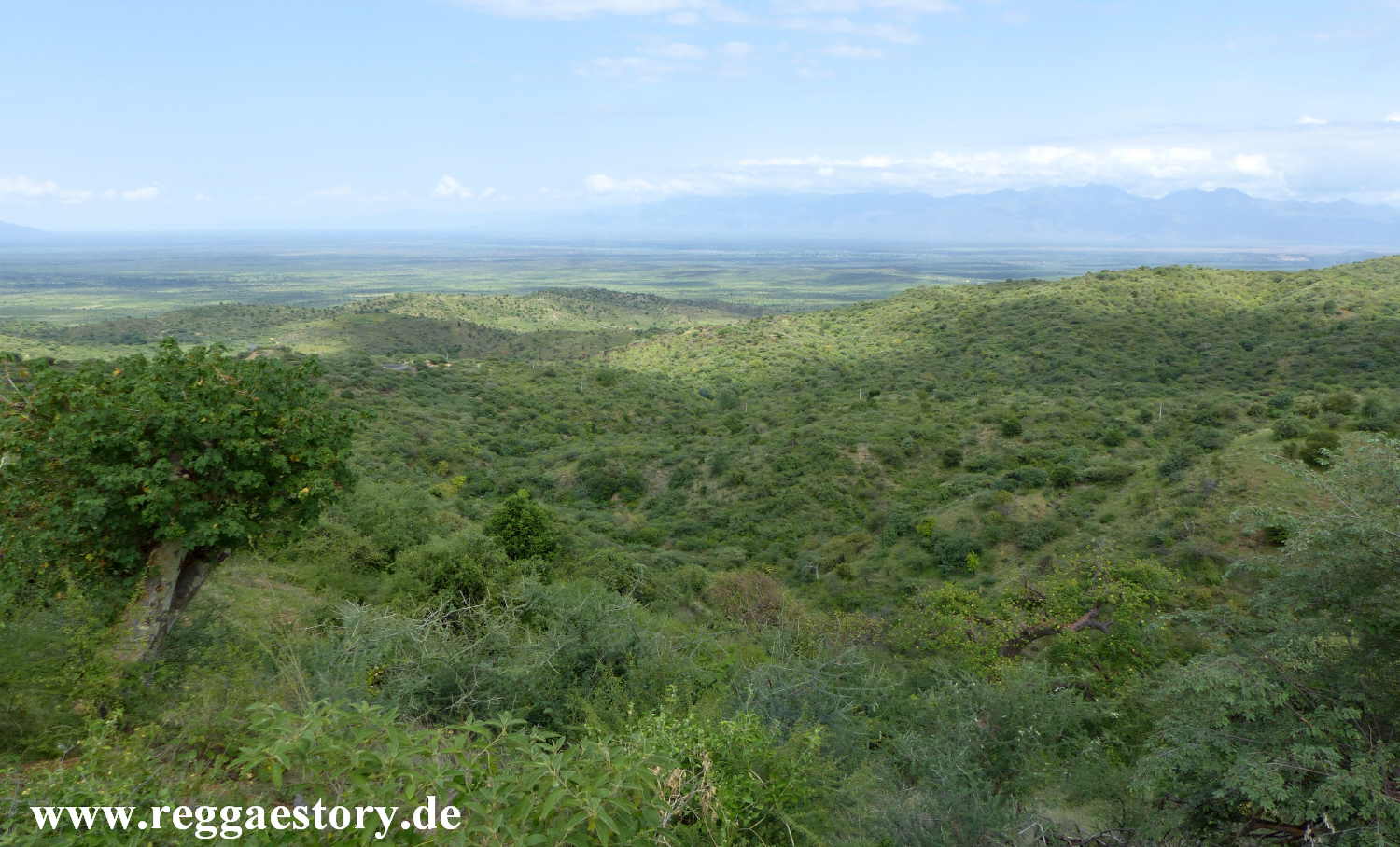 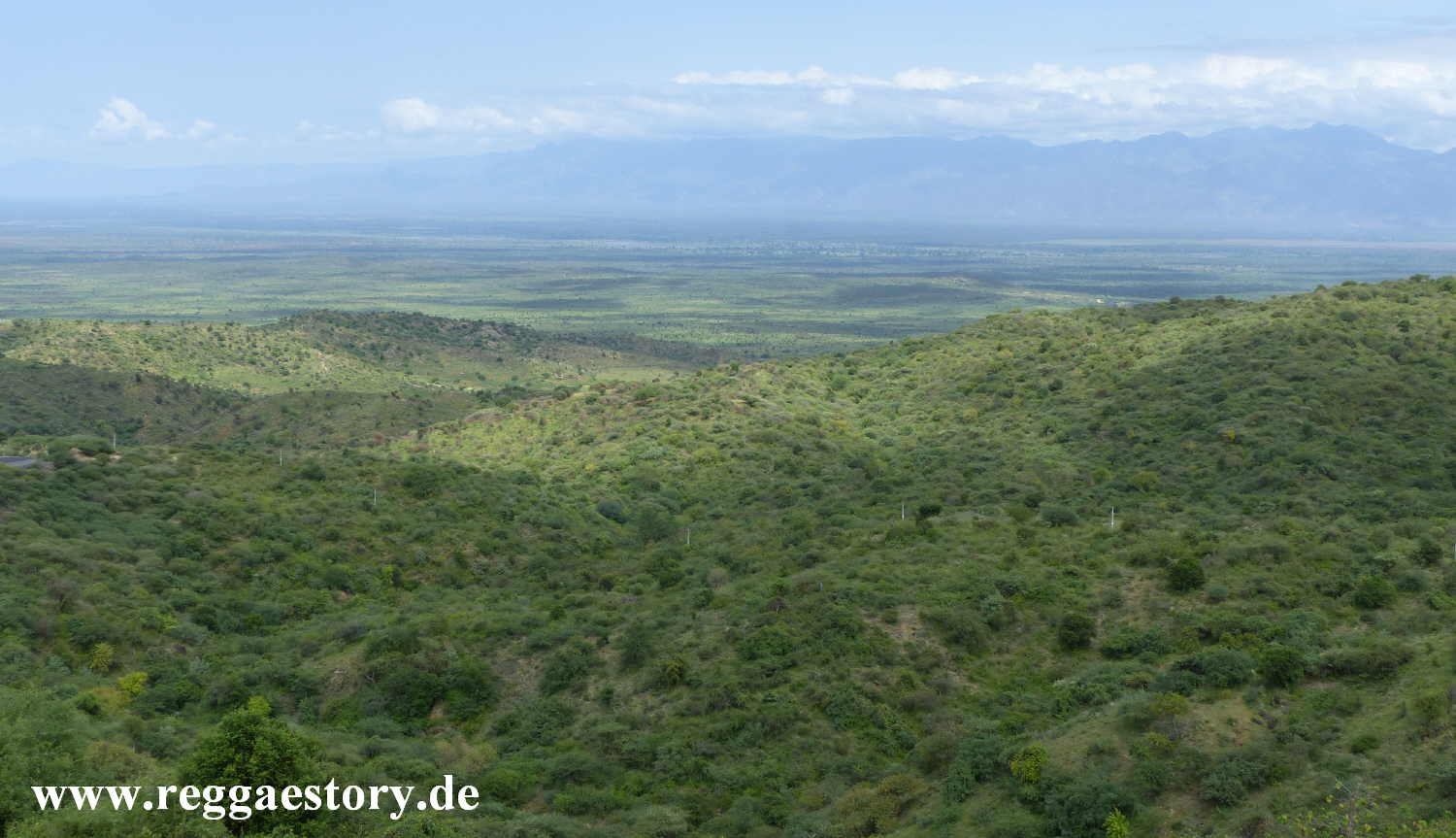 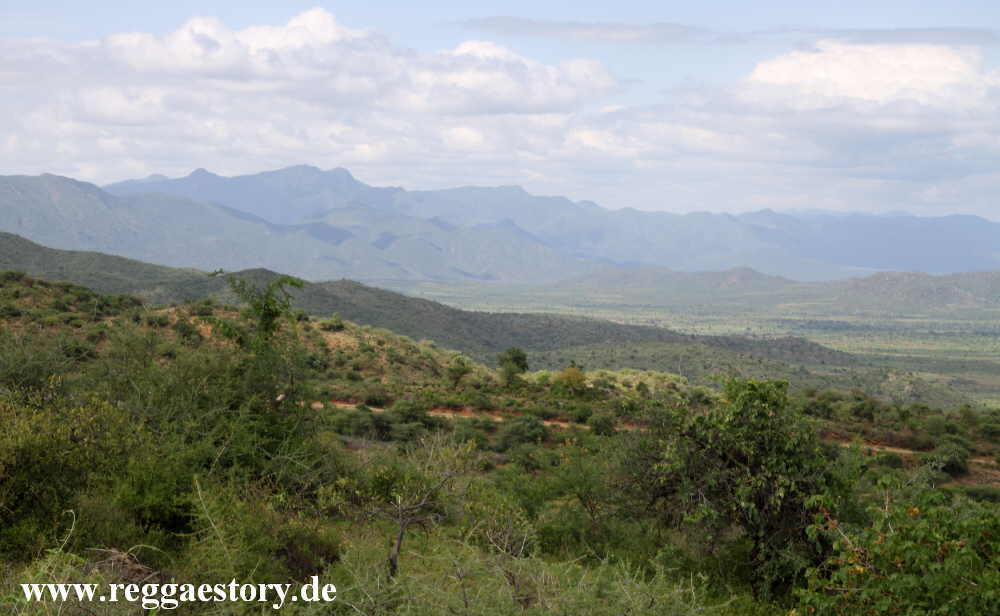 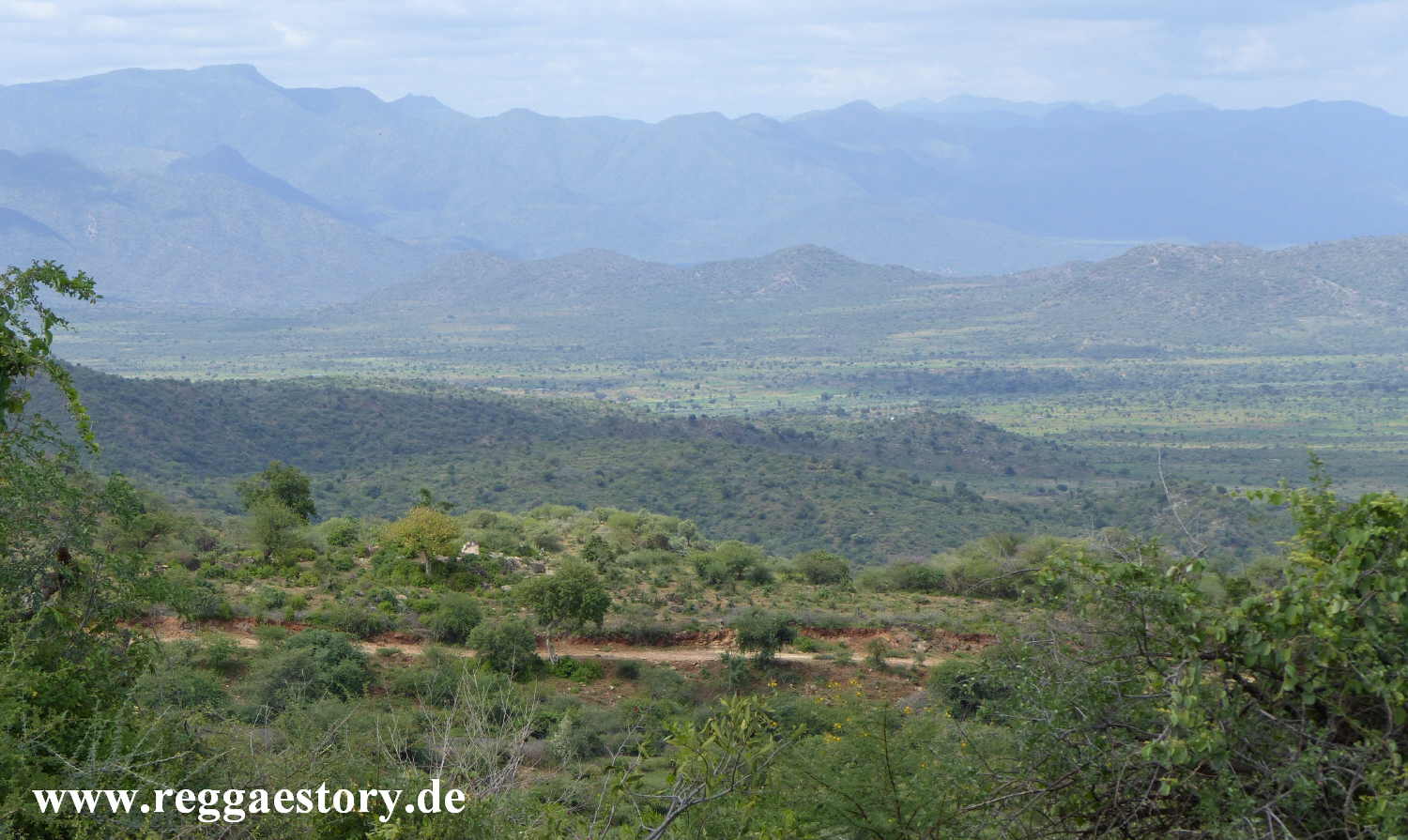 Image 455 - 460: On the way from Konso to Jinka Even if there are no settlements to be found far and wide, a few children quickly find their way here. This is a good opportunity to lighten our clothes bag, which we have given to Mastu for distribution. This unexpected surprise leaves the rather shy-looking children almost speechless. 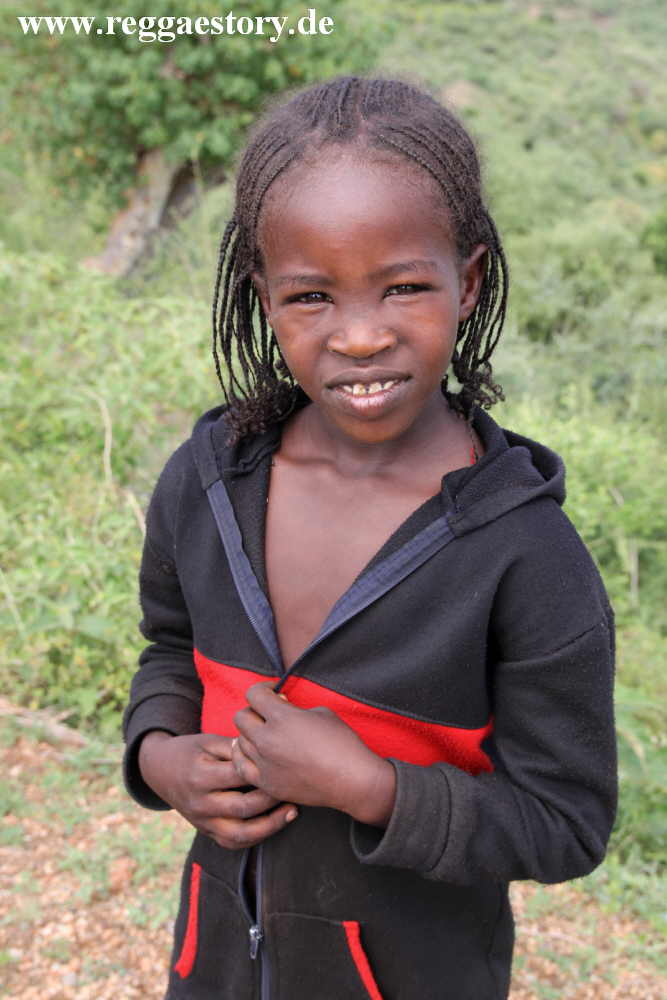
 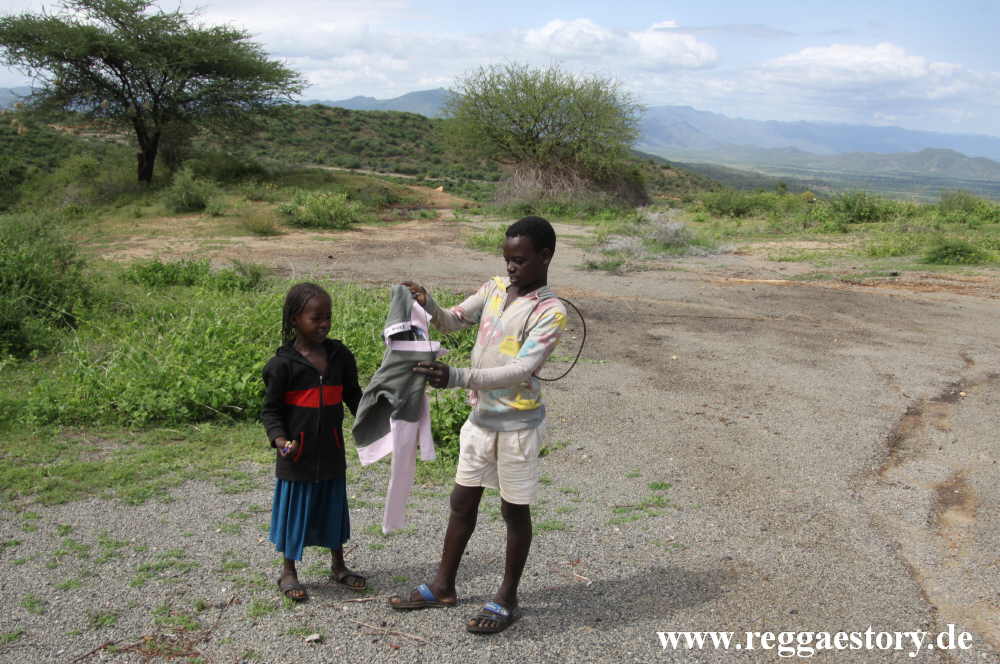 Image 461 - 463: The unexpected gift on the roadside. Let's continue before other children become aware of us and we may trigger an argument. When it comes to gifts, it is always better if there are not too many children. 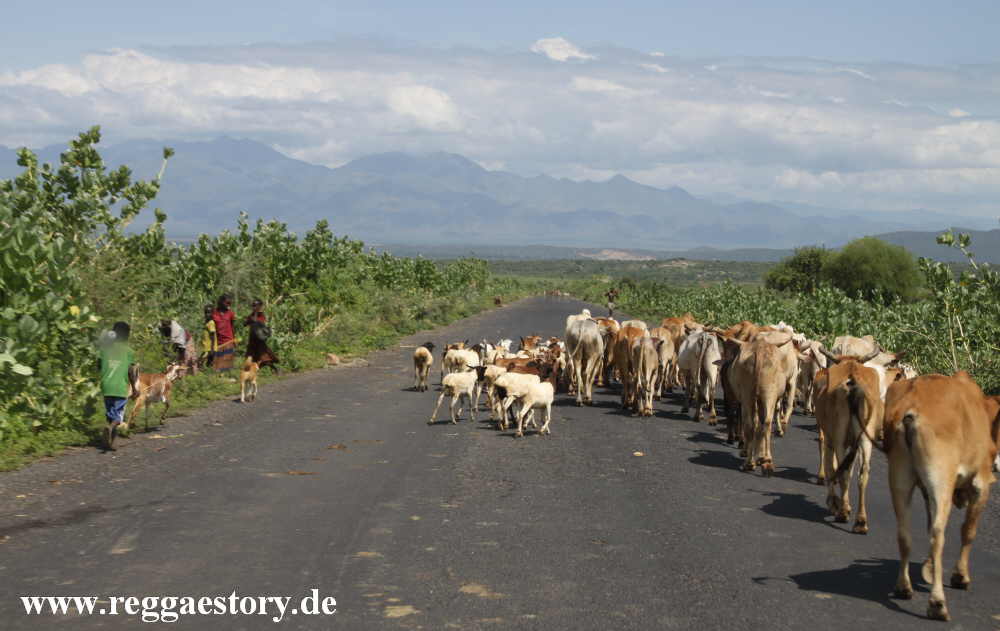 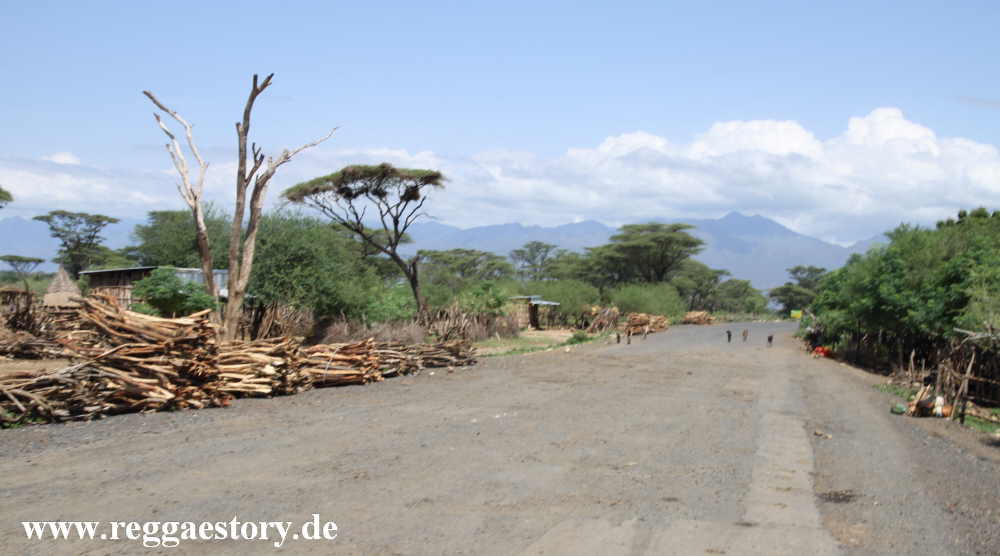 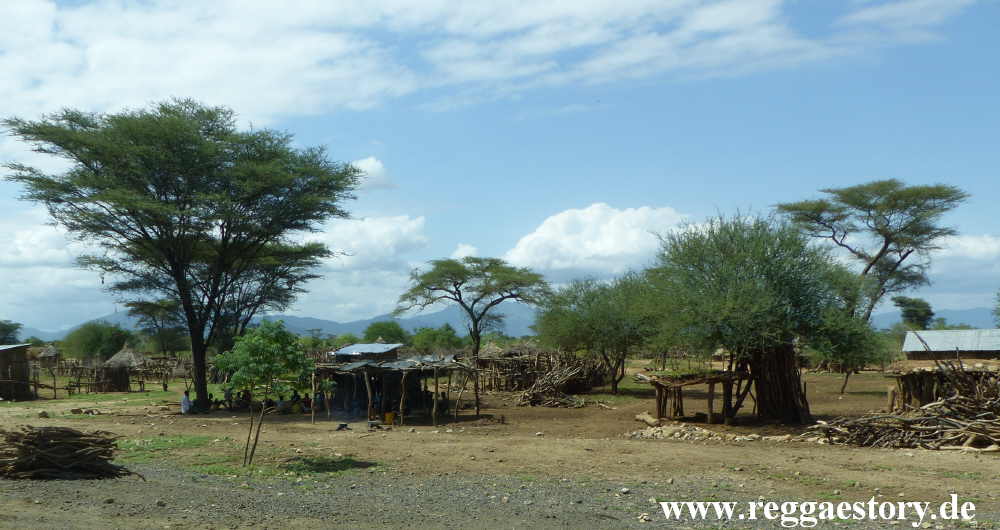 Image 464 - 466: In addition to agriculture and livestock farming, the timber trade on the streets in this area is particularly noticeable. After another 45 minutes of driving, a coffee break is planned. For this, the village of Weyto or Woyto (also Woito) fits very well into the process. On the roadside, an inconspicuous sign "Welcome - Weyto Lodge" refers to this opportunity. There are two ways of continuing in the village. If you follow the asphalt road in a north-westerly direction, you get to Key Afer and later to Jinka. If you want to go to Turmi, you have to turn southwest onto a gravel road. Weyto is located at an altitude of 580 m above sea level, in the Weyto Valley of the same name. This is part of the Rift Valley. In the Weyto Valley the Weyto flows further south, where it later flows into the Chew Bahir Lake (also Lake Stephanie / Stefanie Lake). The river's water is used to irrigate large cotton plantations that can be found in the area. In the place and the surrounding area, mainly the Tsamai people live with around 10,000 members. An interesting weekly market takes place here every Saturday. But there were also people from Konso and Banna. Today is Thursday, so unfortunately we cannot take this attraction with us. 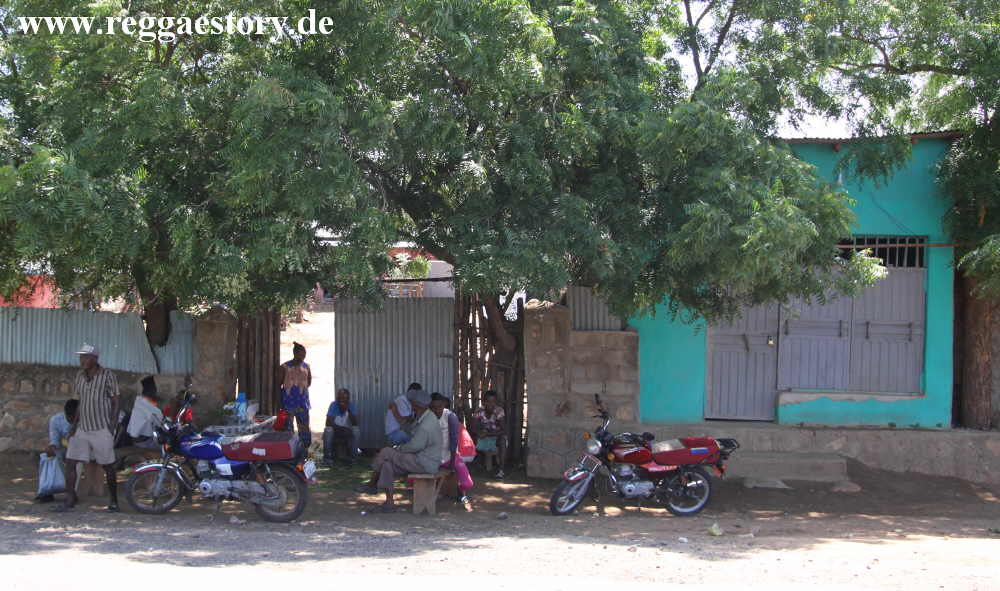 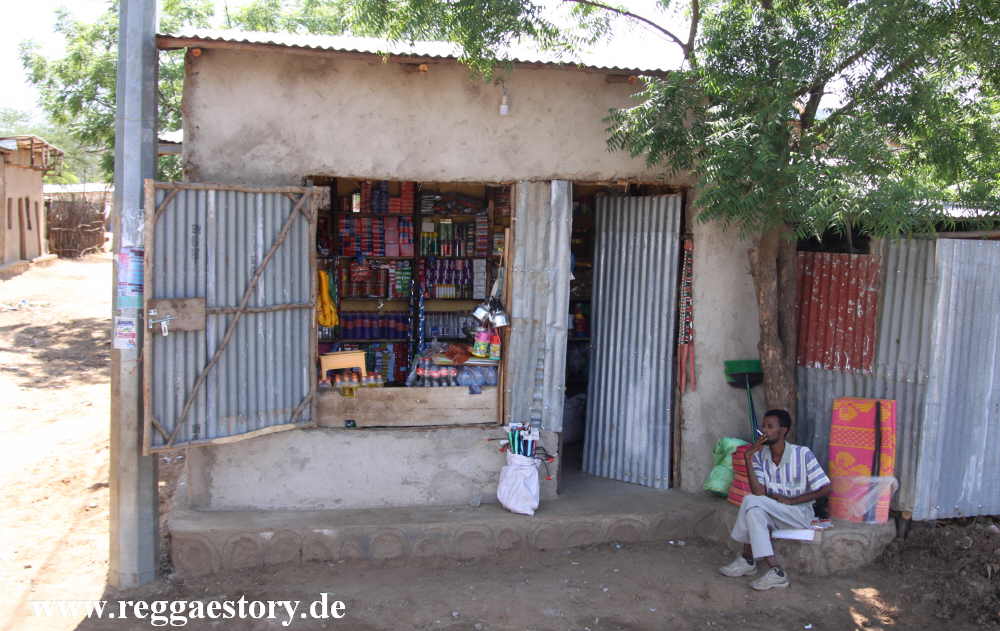 Image 467 + 468: Small shops for daily needs opposite the Weyto Lodge. While our coffee still requires a while of work and thus waiting time, a couple of beautiful Kenyan leather belts in a village shop are calling us on the other side of the street. According to our information, these belts are supposed to be made by the Maasai. The works of art, embroidered with glass beads in a wide variety of colors and patterns, will not be found anywhere else in the further course of our journey. For 300 birr each, you really can't go wrong. Negotiating is pointless anyway with the taciturn man. 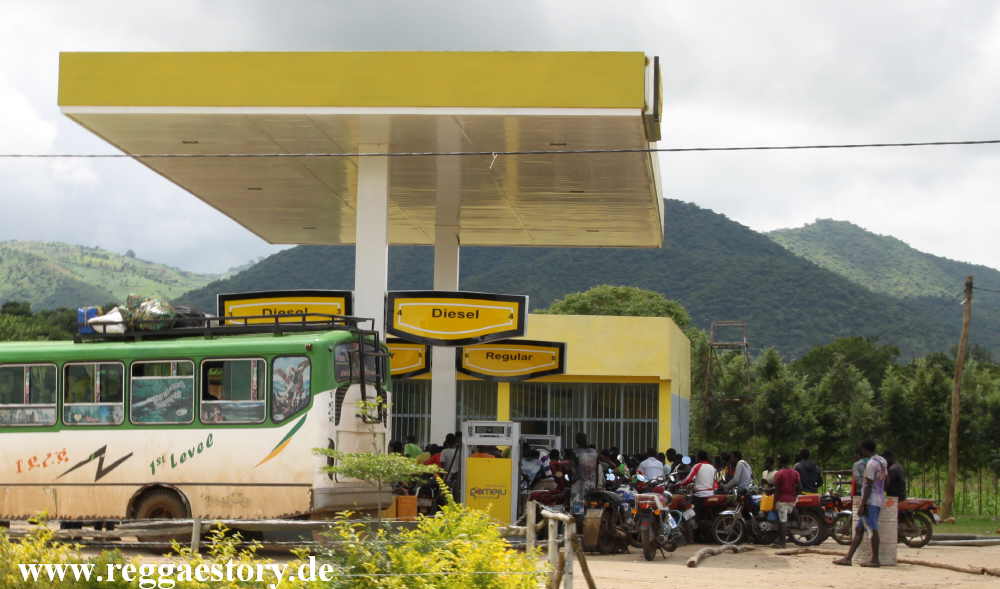 Image 469: Gas station shortly before Jinka - motorbike rush We arrive in Jinka at around 1 p.m. We really didn't expect that. Originally we wanted to visit a weekly market in Key Afer that day, but today was not the right day of the week for that either. But we already knew that before we left in the morning. We'll do that on another day. But now it's time for a lunch break at Jinka's Besha Gojo Restaurant. A very nice place for this purpose with enough seating in the sun or in the shade, with or without a roof, just as everyone wants. 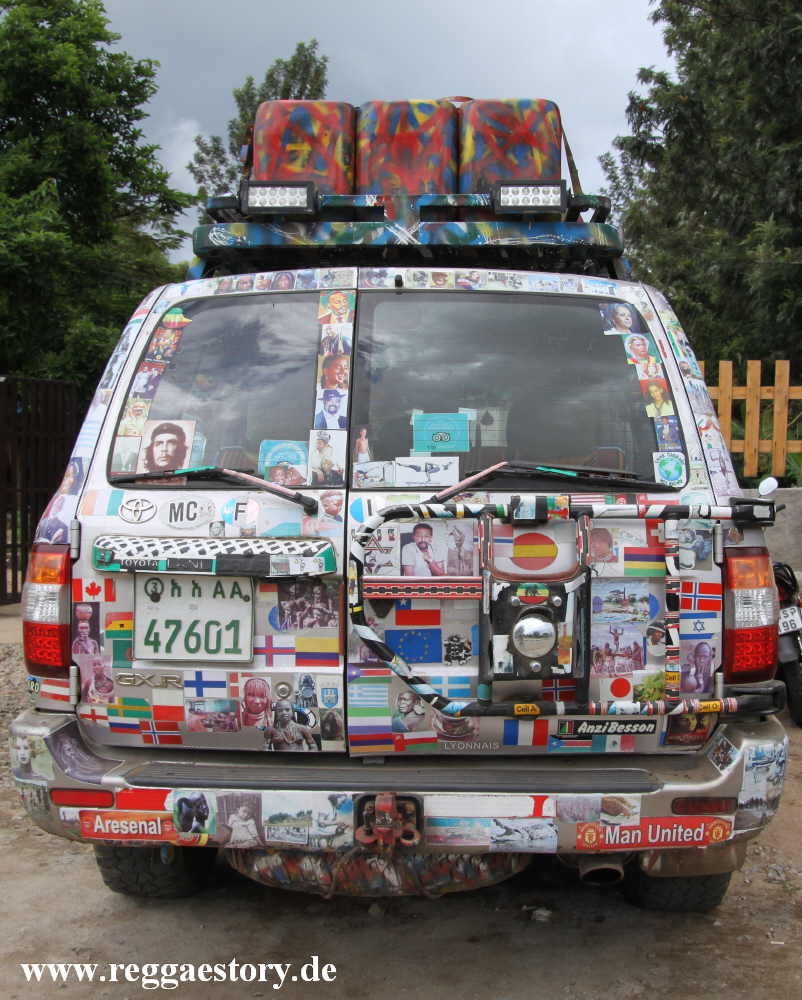
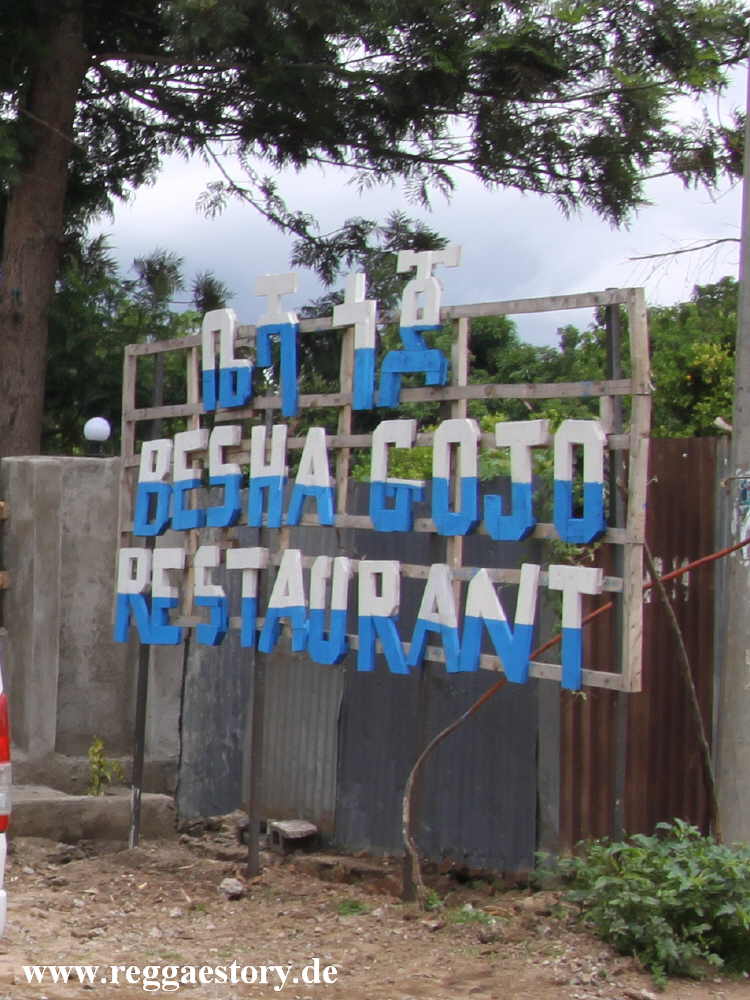 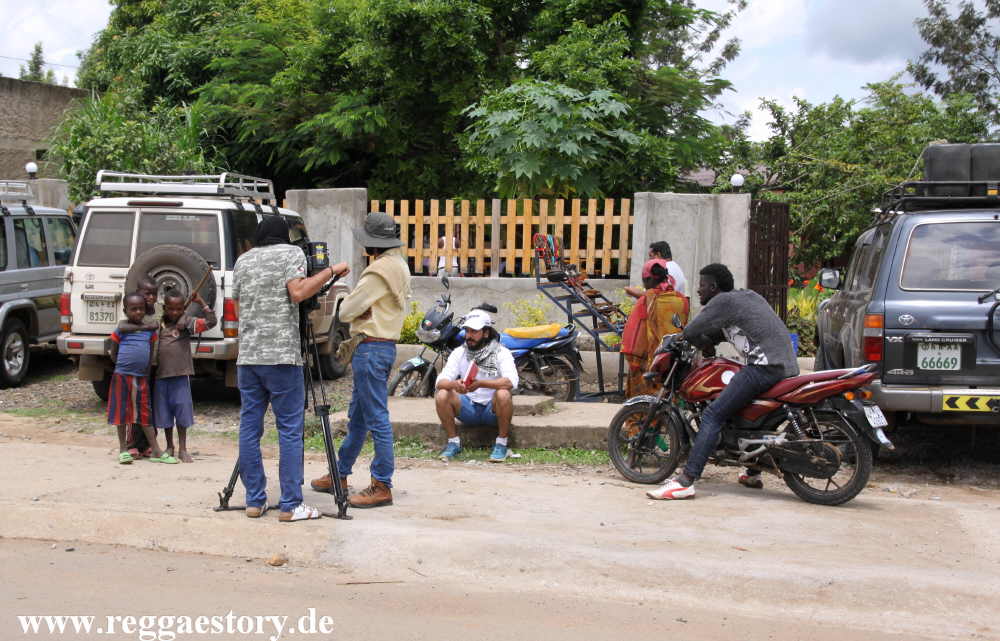 Image 470 - 472: At the Besha Gojo restaurant in Jinka Jinka is well stocked with nice restaurants. If you have a lot of time and spend several days in the city, you can definitely go on a discovery tour. Jinka has over 30,000 inhabitants, which surprises us a lot, because that's not how the place looks. To us, the place looks more like a cozy small town. It is the capital of the Debub Omo Zone and is about 1,490 meters above sea level. 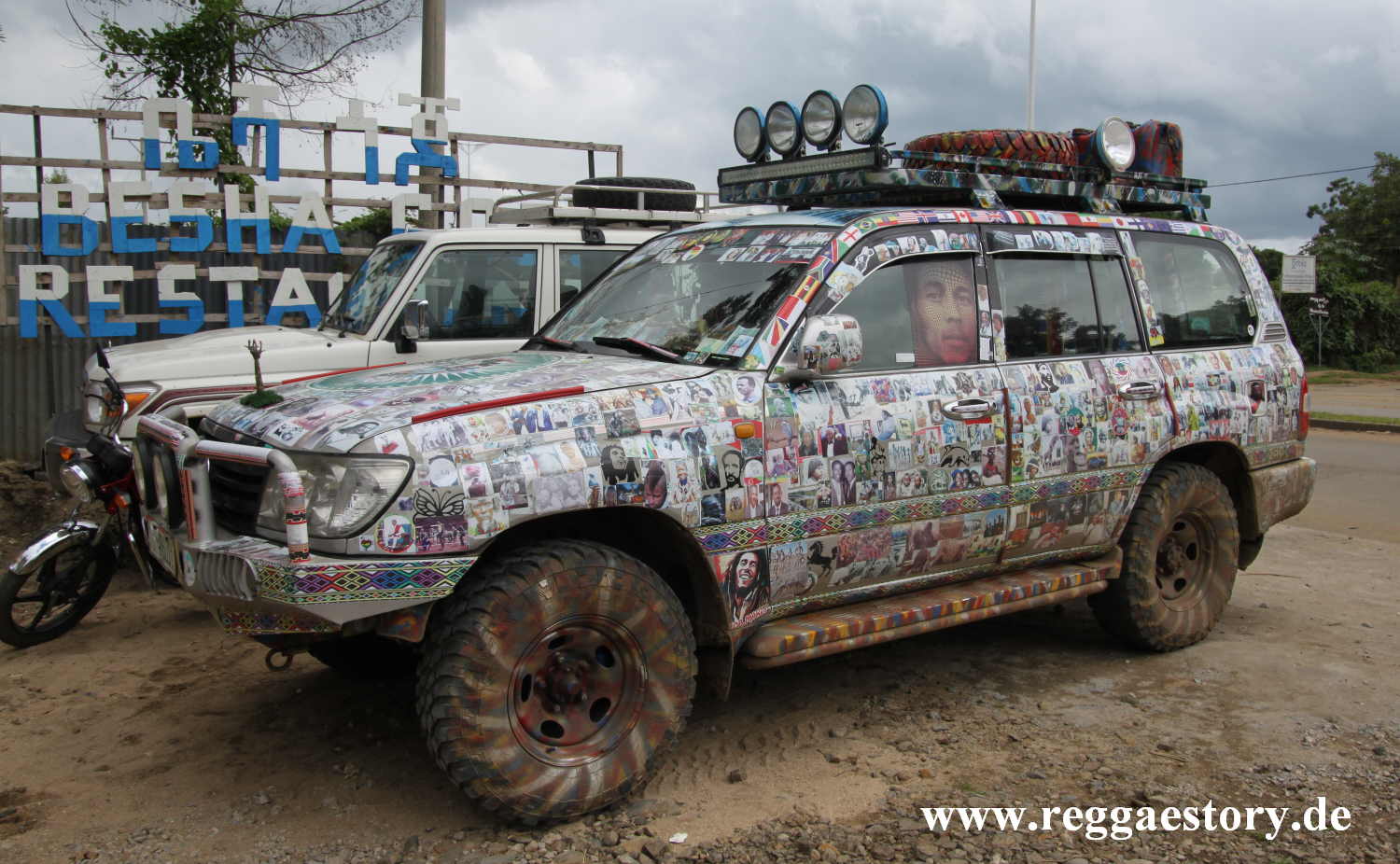 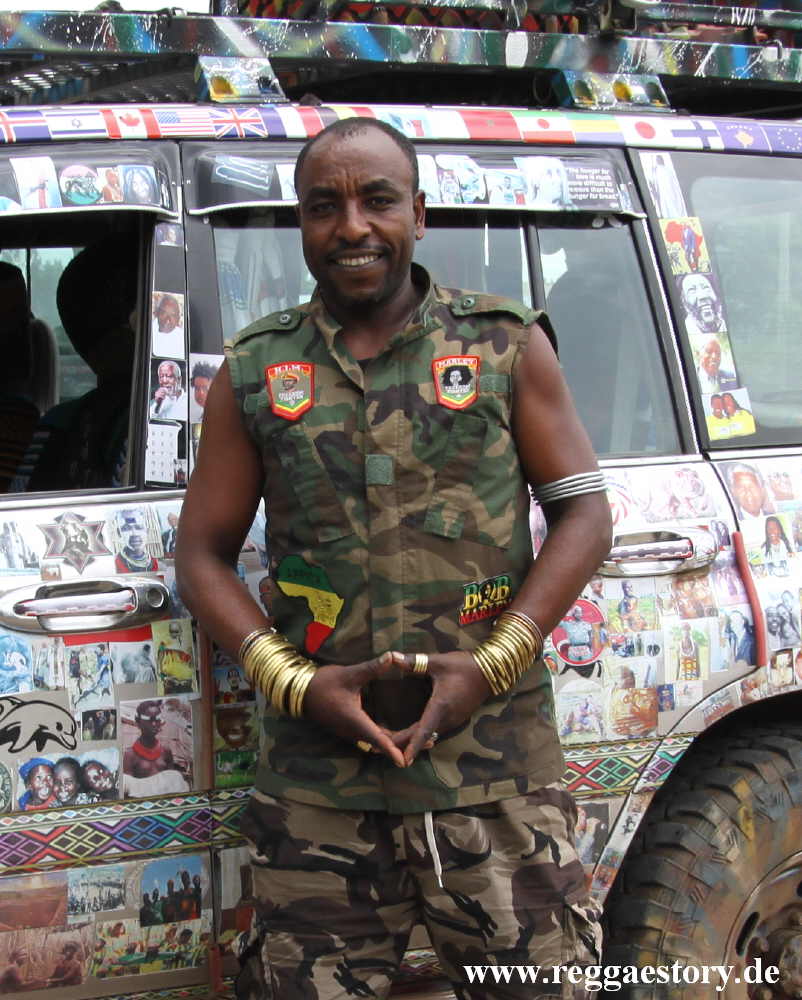
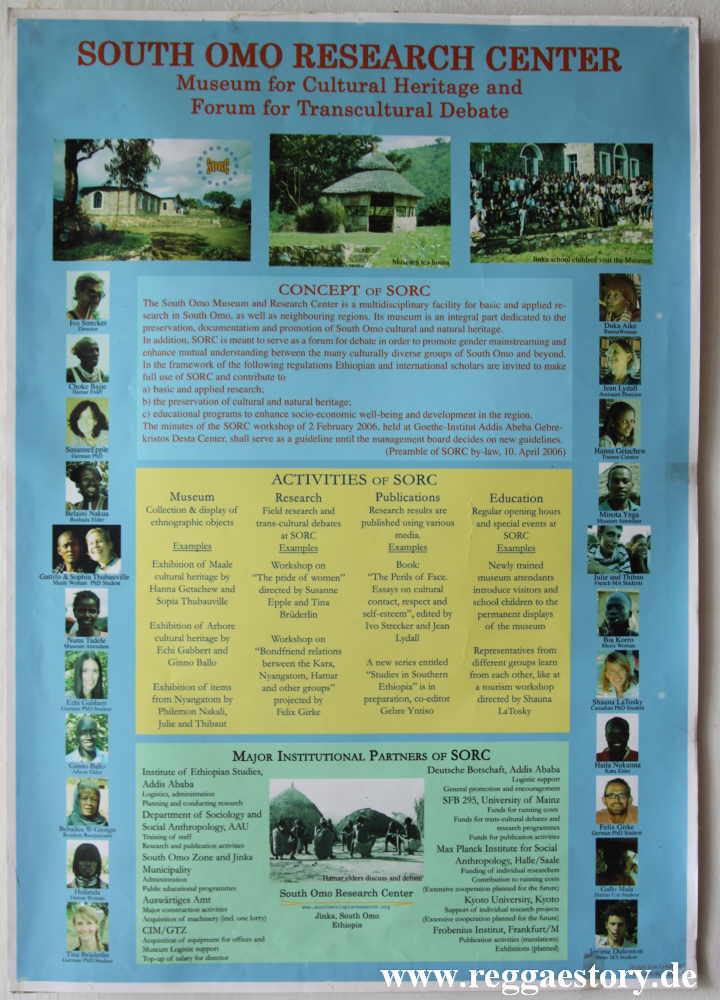
 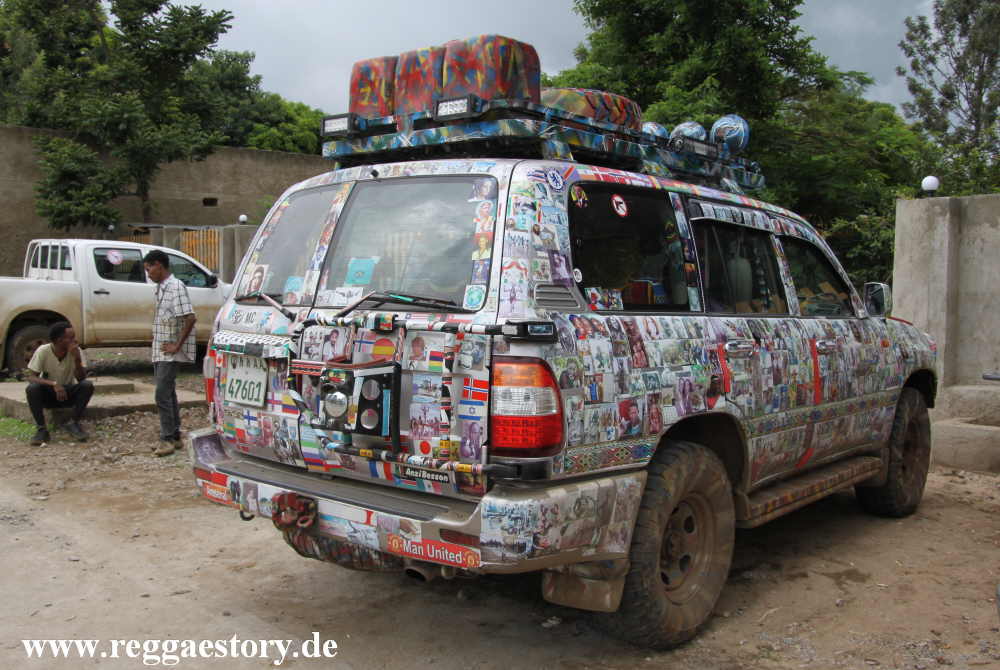 Image 473 - 476: Mike from Addis with his sticker collection A film team has come to the restaurant and a man with a striking appearance. But his car is even more eye-catching with thousands of stickers. In the interior of the car, the picture continues in a similar style. We are very interested in who that could be and we are waiting for an opportunity to talk to him. The man calls himself Mike and claims to appear occasionally as a reggae artist. Of course we want to find out more about it and, if possible, hear a sample. But he had just run out of CD-s. Unfortunately he had to do something urgently now, but he would be back soon. 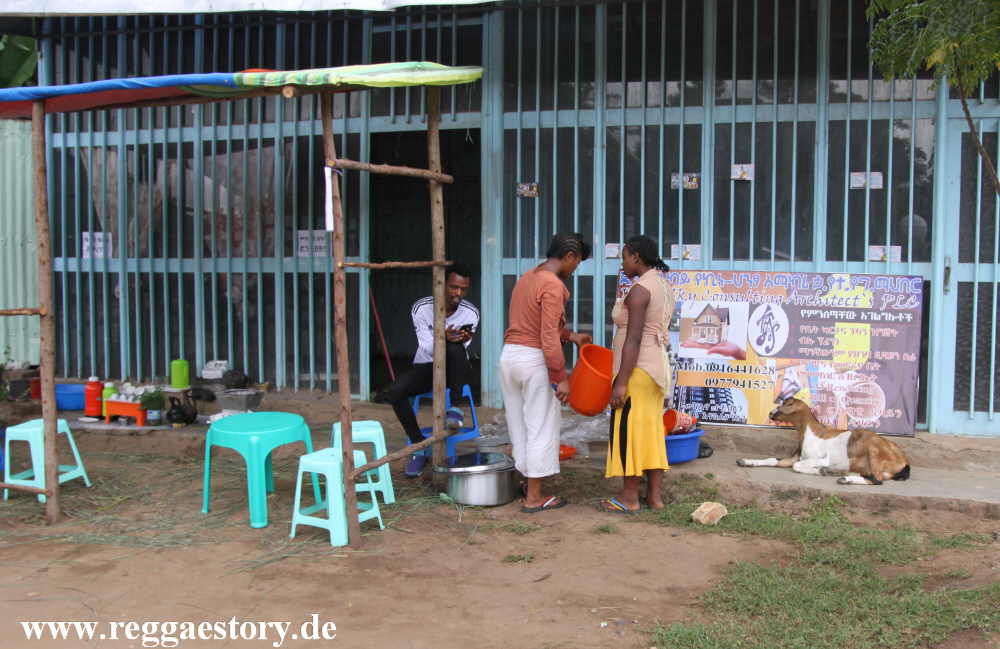 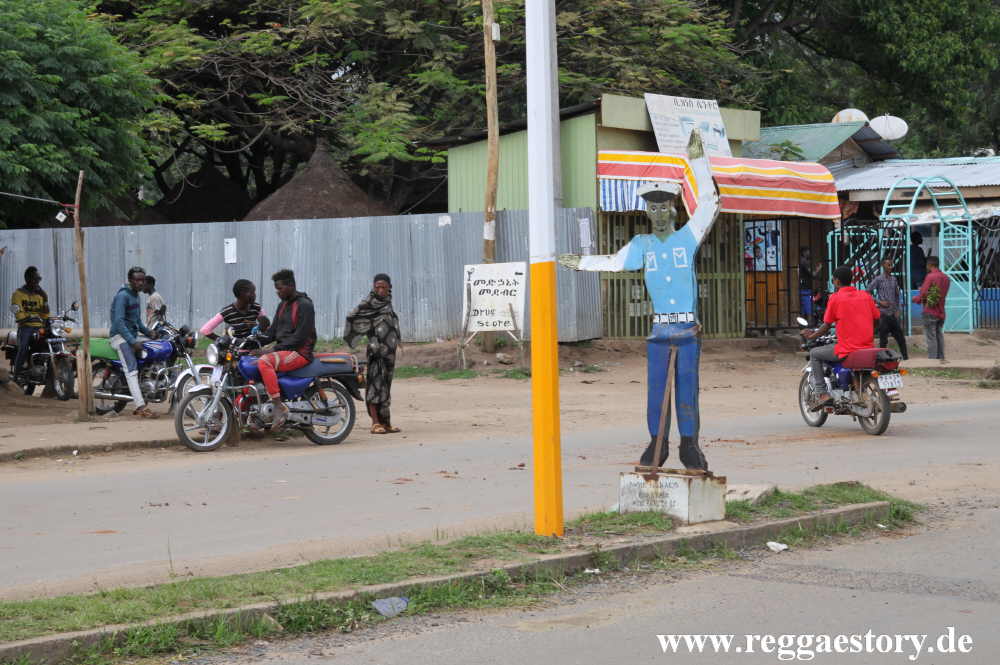 Image 477 + 478: Jinka Mastu and Alex are here earlier than Mike is back, because the two wanted to pick us up after the lunch break. They have a lot of fun when they see our story and the pictures of Mike. The man is never an artist, but a completely normal driver from Addis who takes on various transport jobs. Mastu even has his number on his cell phone. You just know each other here. Later we see Mike several times in town and Mastu confronts him with our story. Mike was blown and would like to sink into the ground. He doesn't even dare to look at us anymore. Still, the story is funny. Now he drives through half the country and yet he is recognized and exposed. There is also a small ethnological museum in the city, which we would like to see before we drive to our lodge. 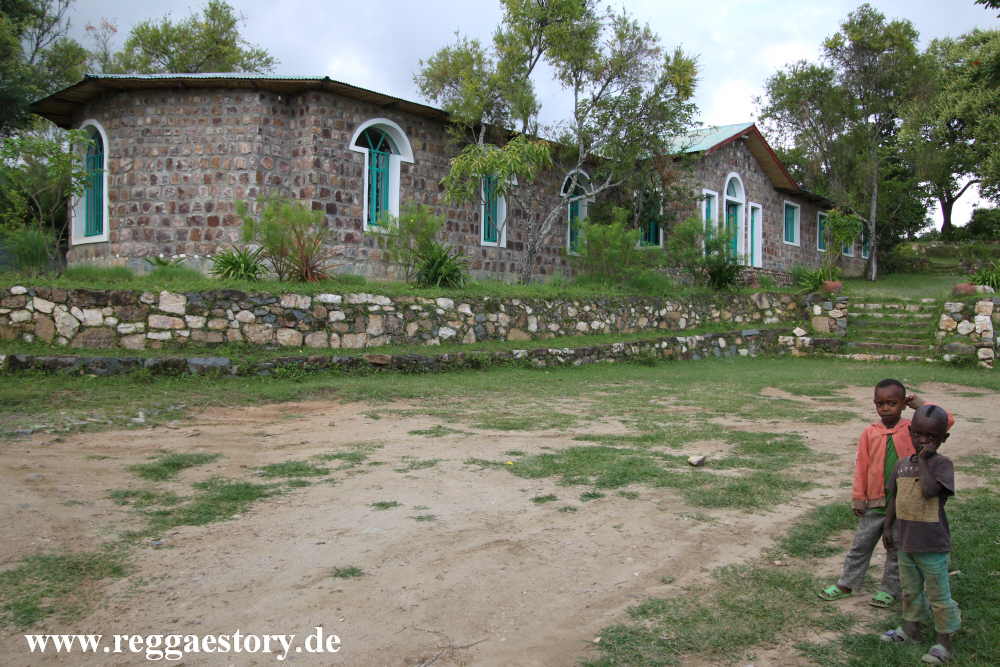 Image 479: Jinka's South Omo Research Center
The SORC has been part of Arba Minch University since April 2015 and has been affiliated with Jinka University since June 2020. 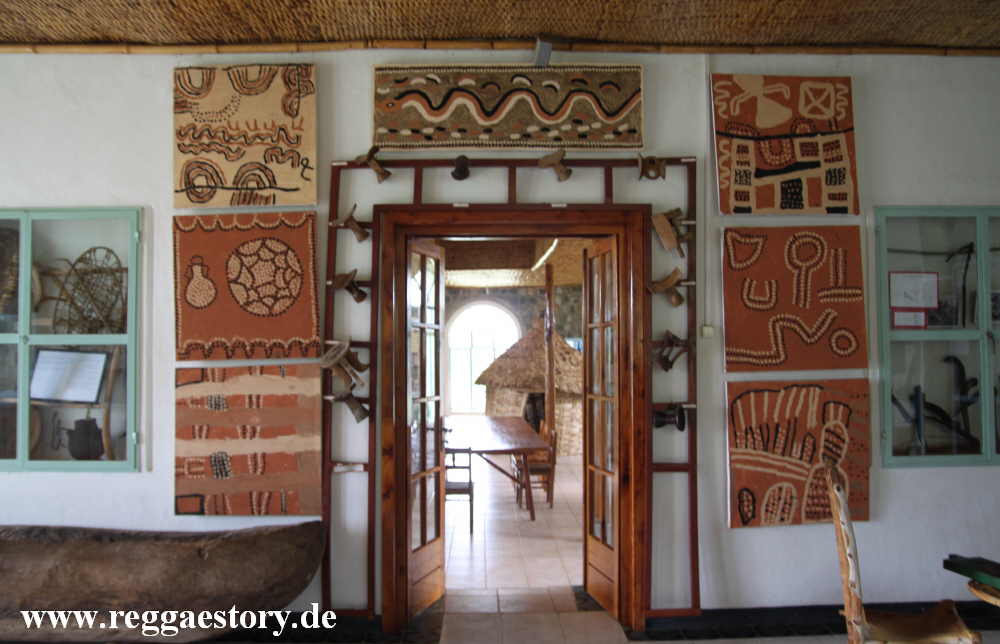 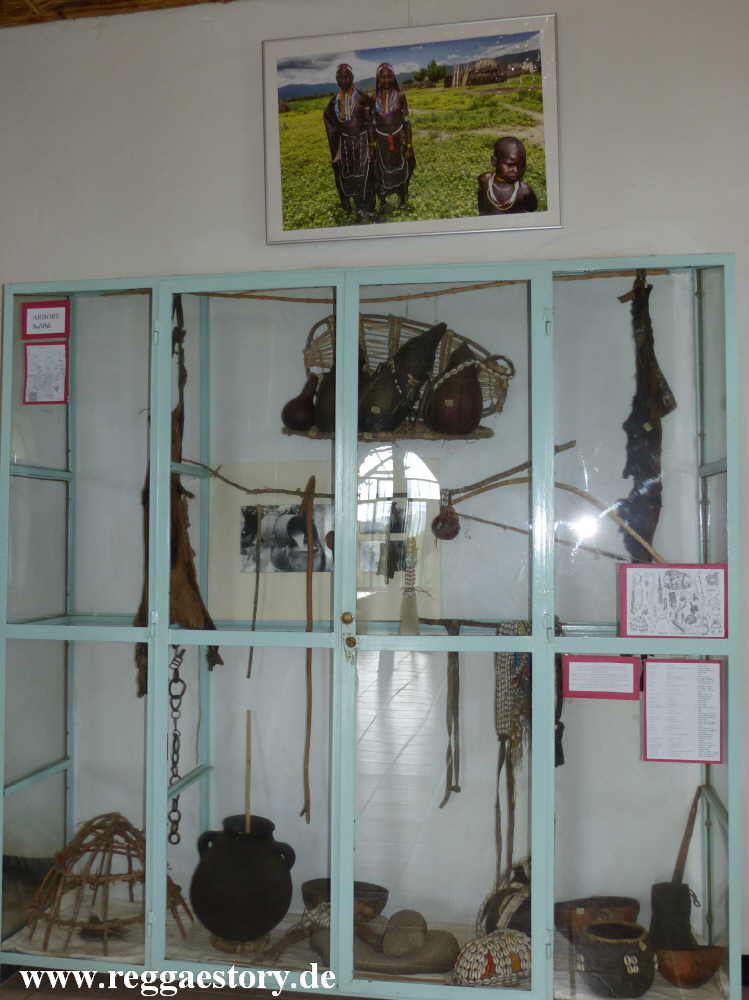
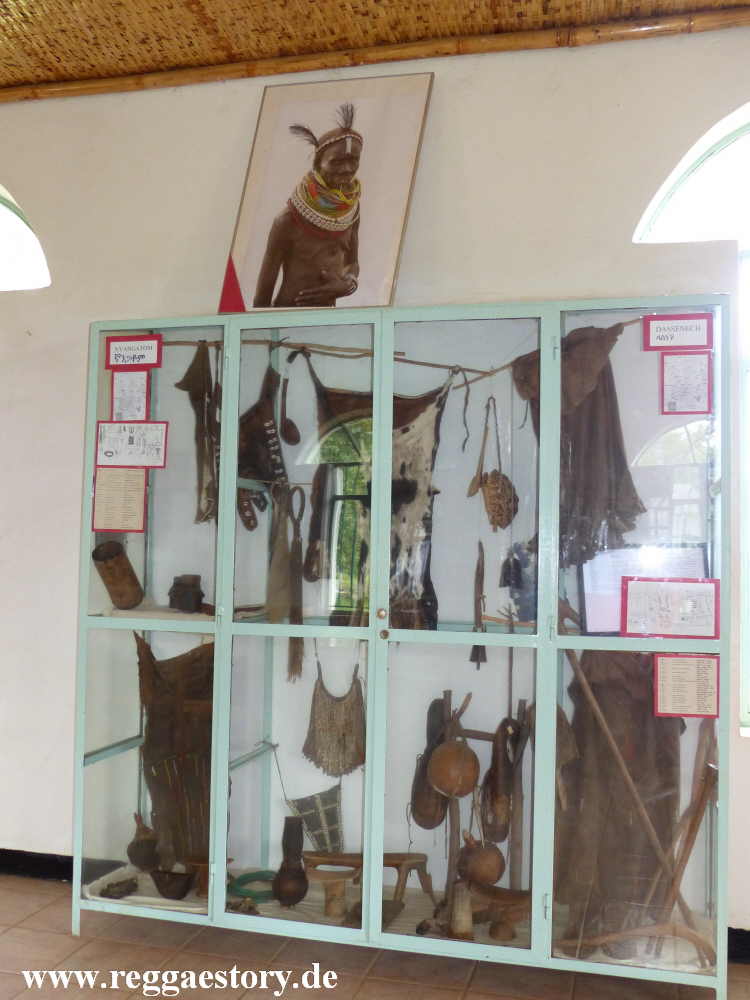 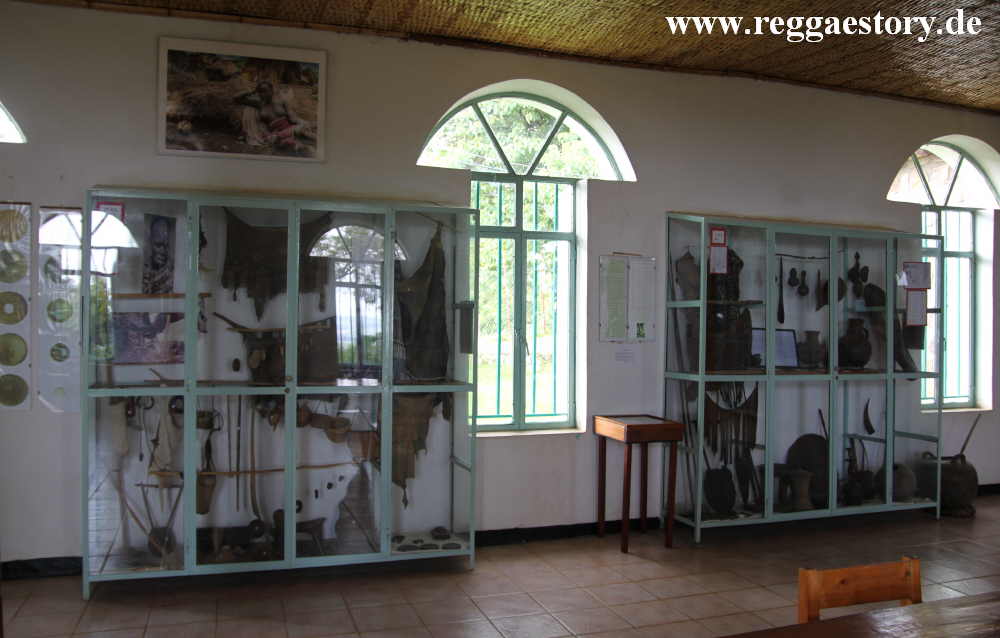 Image 481 - 484: A look inside the South Omo Research Center Museum Image 482: Arbore ethnic group exhibits Image 483: Exhibits from the Nyangatom and Dassanech ethnic groups In the museum you can also buy numerous postcards on the various tribes, but unfortunately there are no postage stamps. The problem is also known from other countries. Everyone wants to sell postcards to tourists, but very few want to sell stamps. So they didn't do business with us today. Today it just doesn't work out with the writing of holiday greetings to the home, and for the remaining hours of the day only "laziness" is the order of the day in the lodge, which has a lot of nature to offer. From here to the lodge we only have to drive about two kilometers. 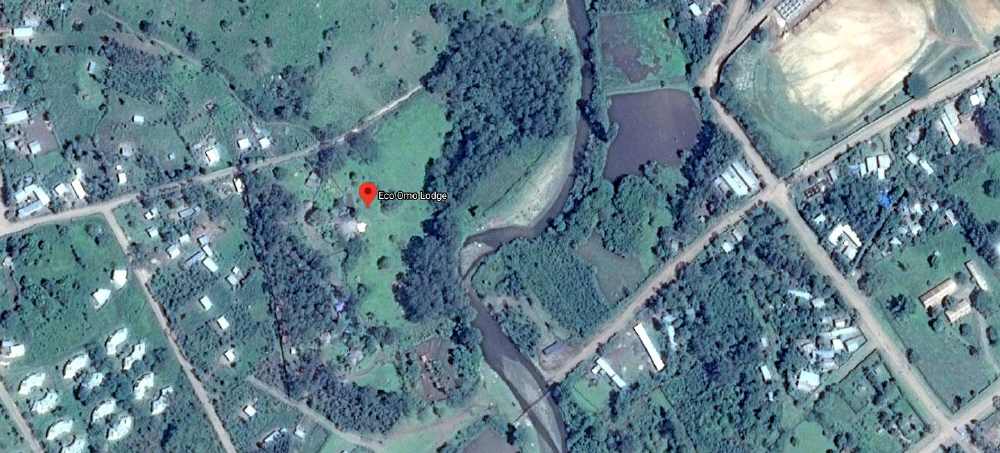 Image 485: Google Map - Eco-Omo Lodge - Simply click on the picture or link and continue exploring the location. This time the overnight stay in tents is on the program and we are curious how they are equipped. Our fears in terms of contact with local crawling animals and other unsightly things in the tents, however, quickly dissipate, because the way in which these accommodations are built and equipped offers a bit of security and comfort. 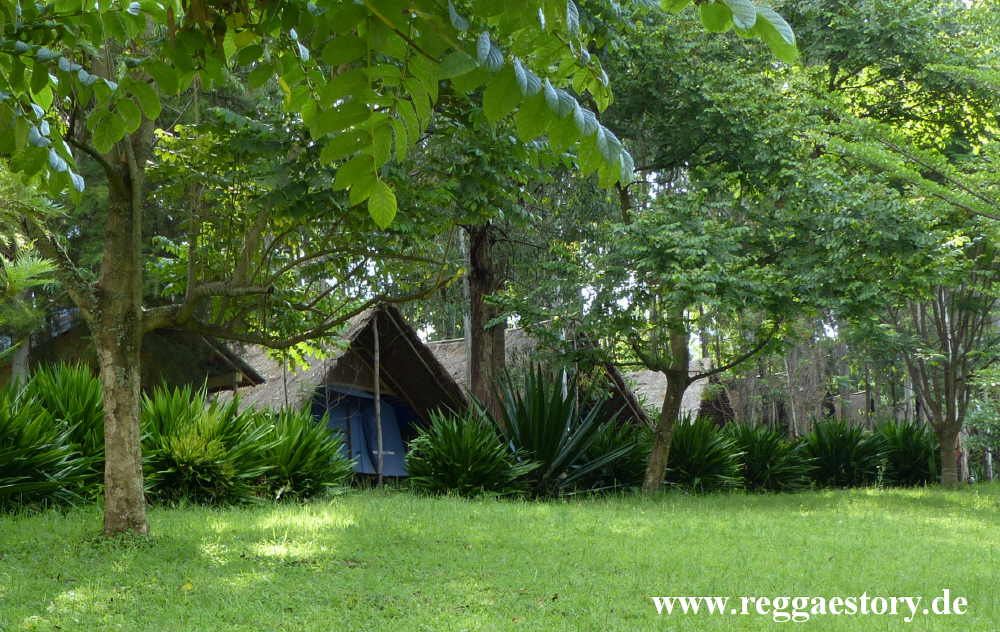 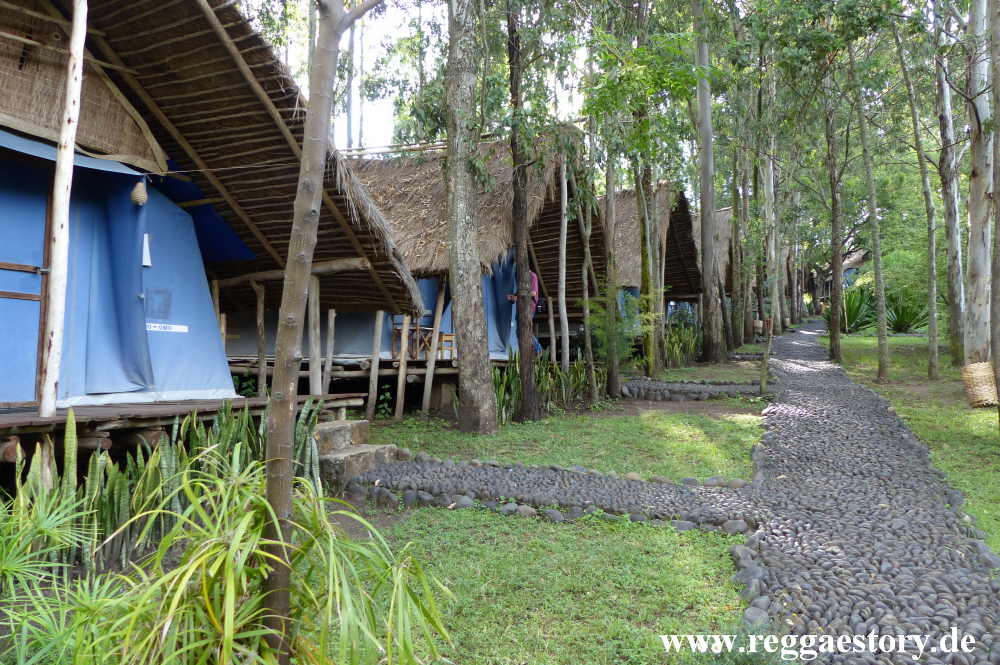 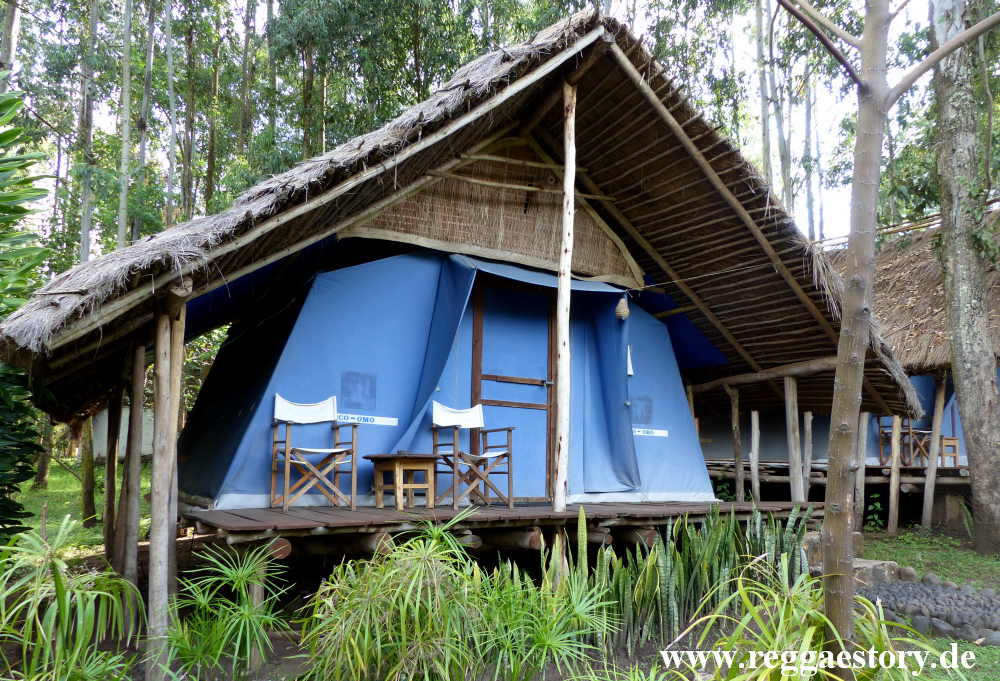 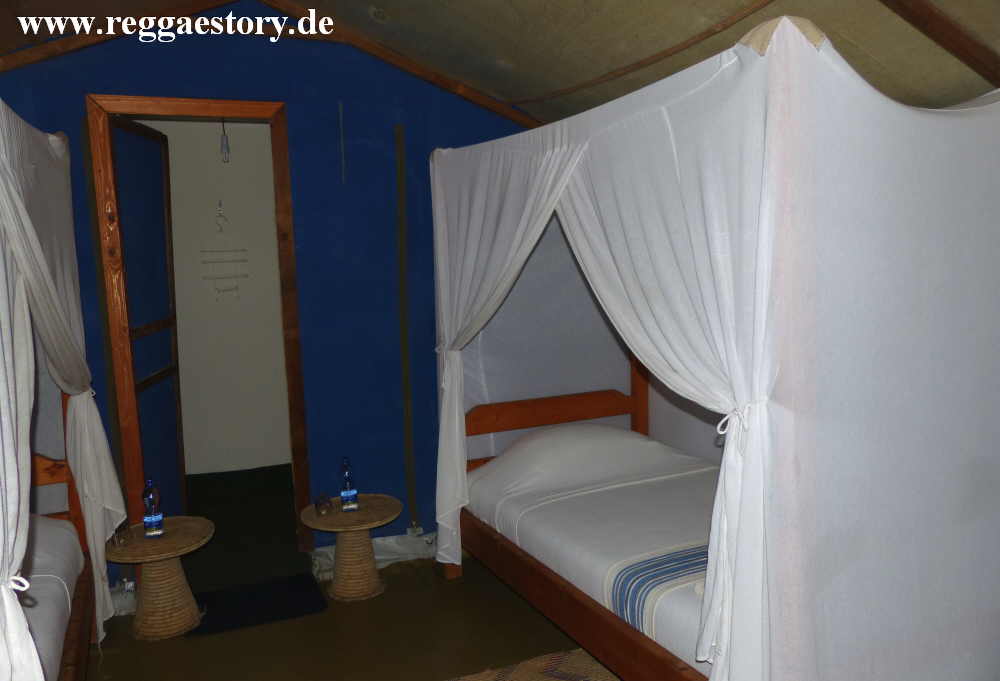 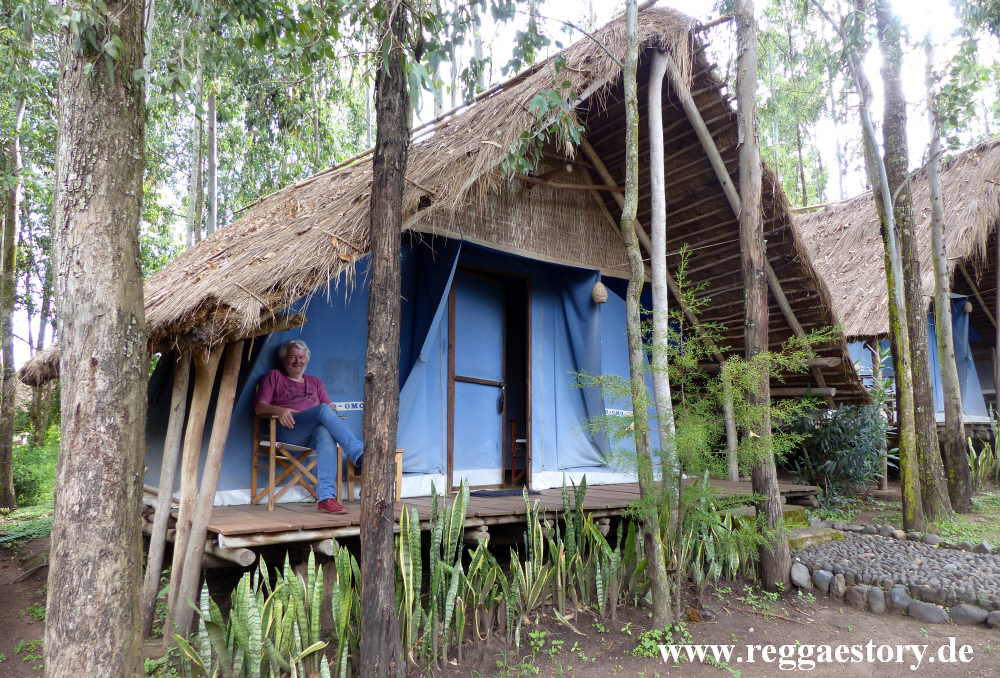 Image 486 - 490: The tents of the Eco-Omo Lodge in Jinka The tents have no contact with the ground and are erected on a sturdy wooden frame. In addition, they are covered by an additional roof which provides security against possible rain and falling things. The windows are secured with insect screens. As a highlight of the whole thing, there is even a massive sanitary cell that can be reached directly via a door in the rear wall of the tent. So everything is perfect. If that's too much luxury for you, you can of course pitch your own tent. 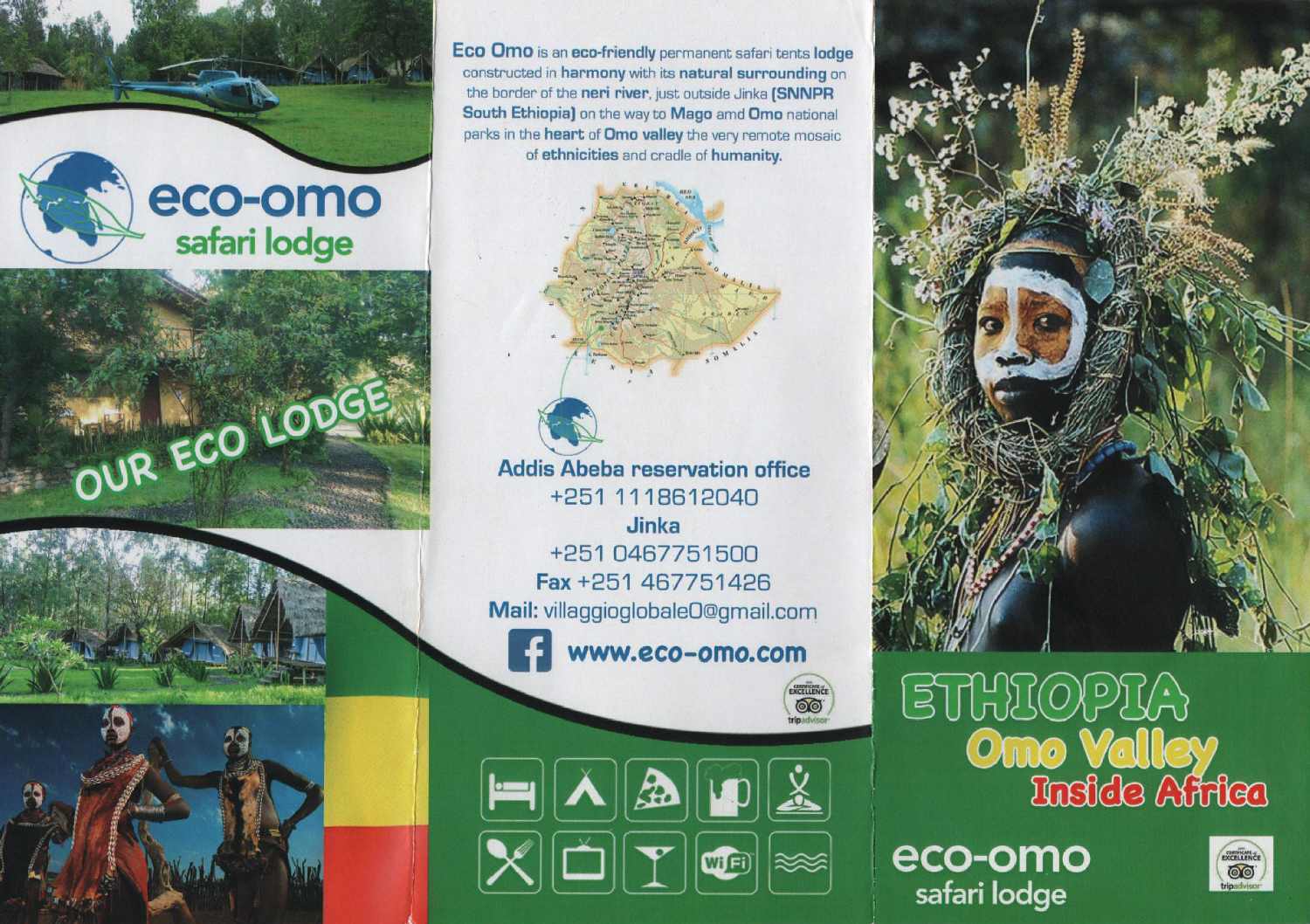 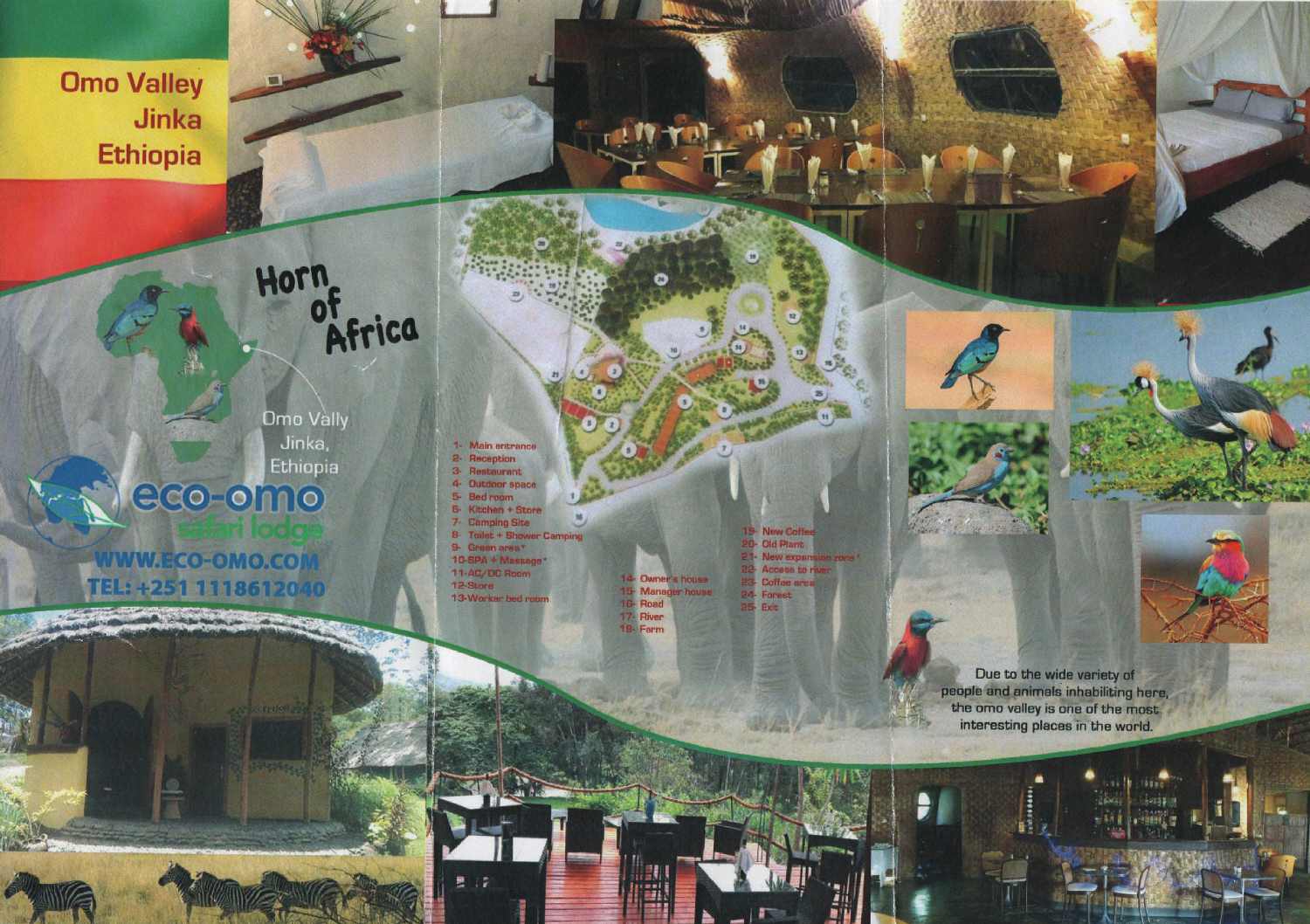 Image 491 + 492: The very last flyer of the lodge. Unfortunately, those who come after us won't get any. ;-) After moving into our tents, we go on an extended and relaxed tour of discovery through the extensive grounds of the lodge. Next to the tents there is a great restaurant where you can sit either inside or outside on a terrace with a beautiful view. There is even a massage pavilion for people who suffered back pain during the tour or who have already traveled to Ethiopia damaged. There is also an own laundry and a nursery to supply the restaurant with numerous types of fruit and vegetables. 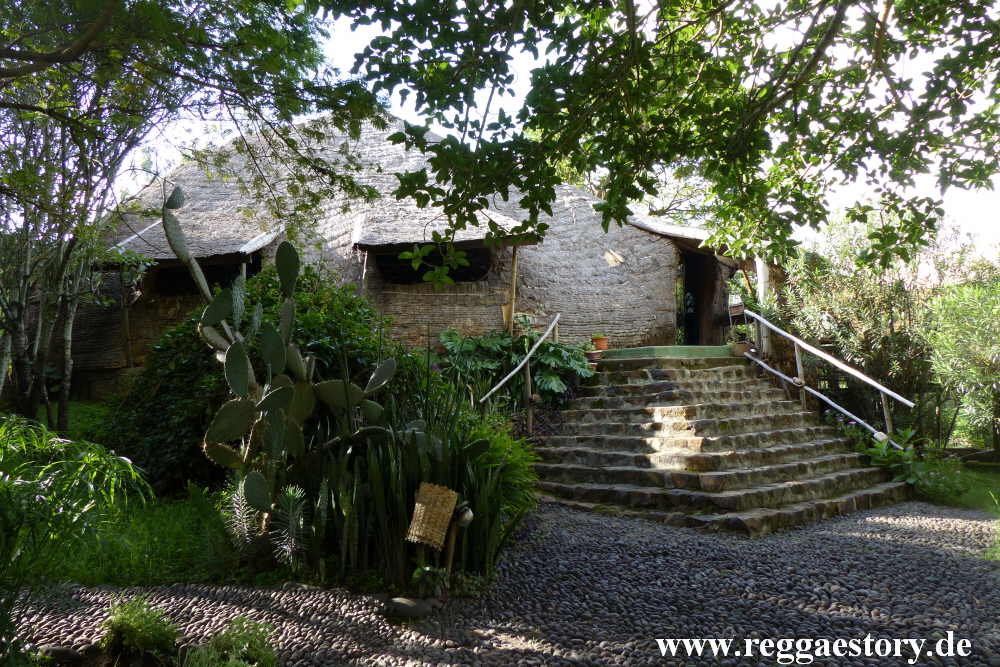 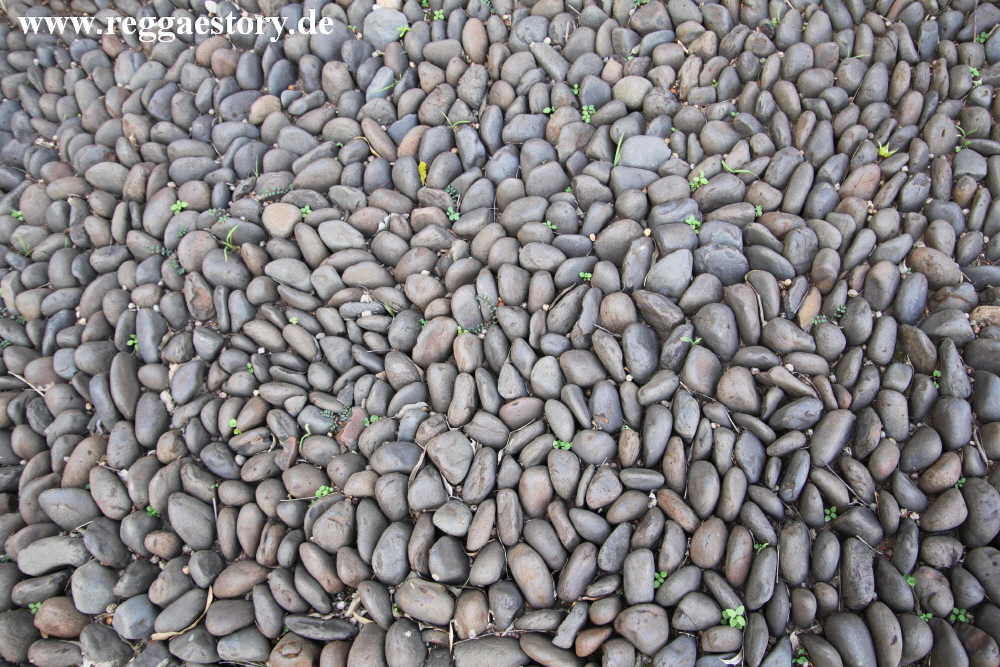 Image 493 + 494: Restaurant and the river stone pavement, which is not always pleasant to walk on. But it still looks nice. 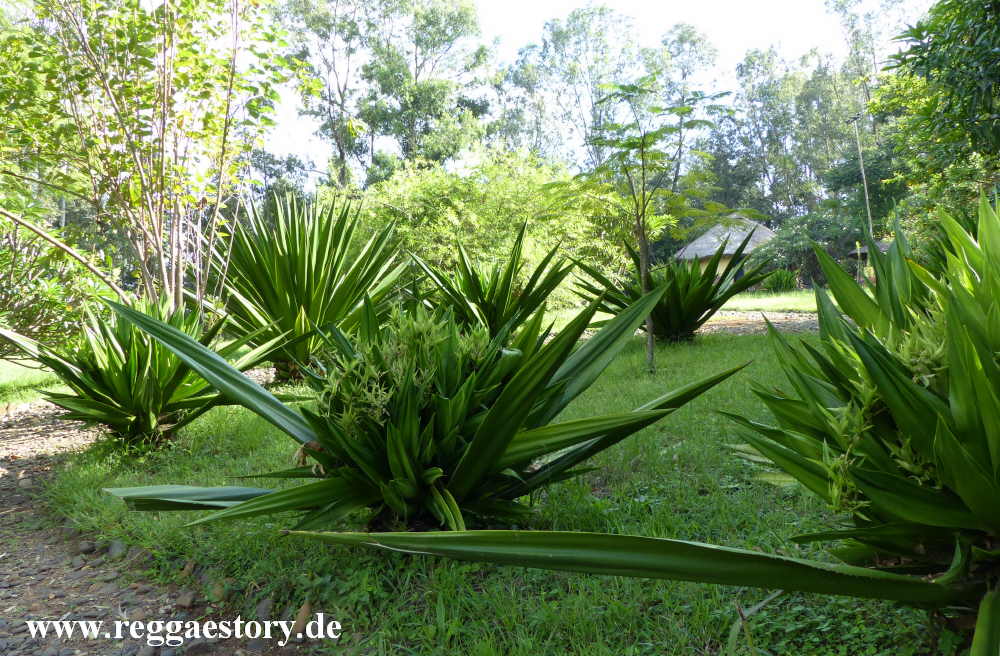 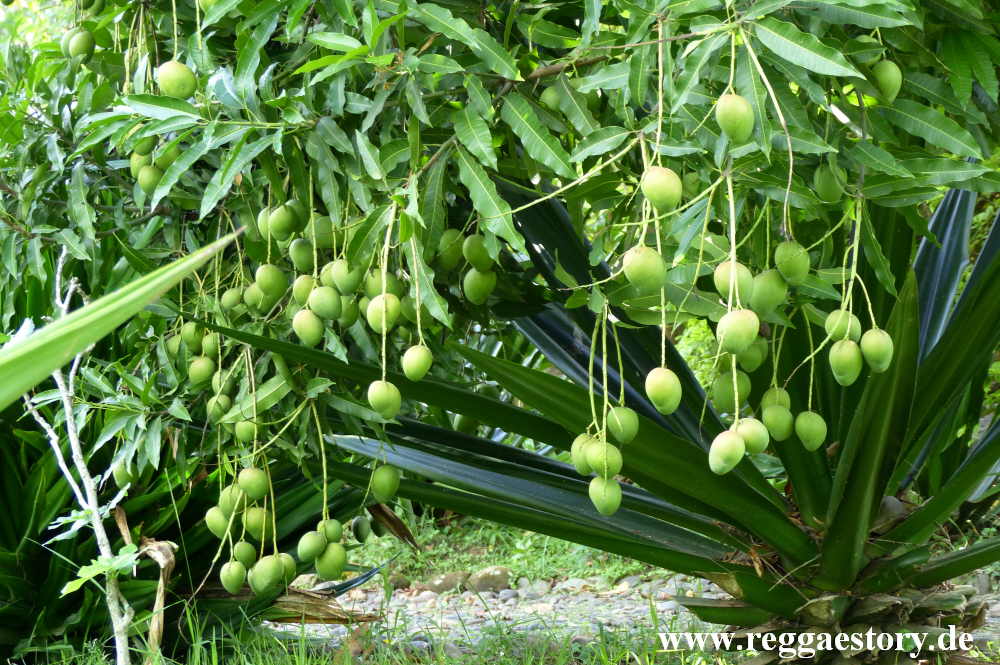 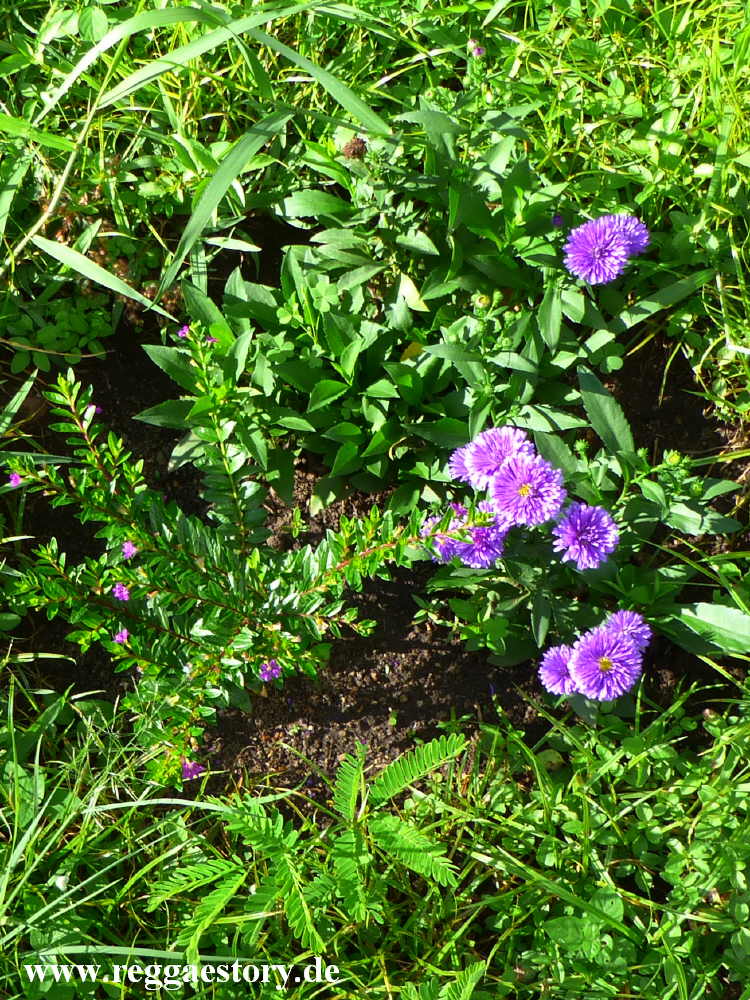
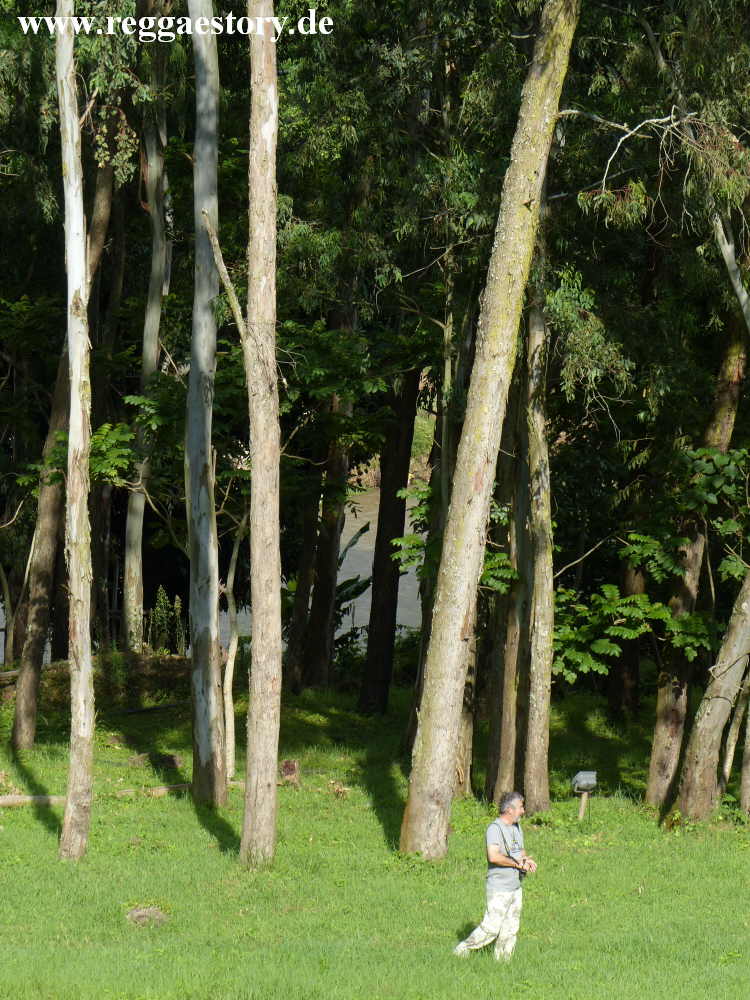 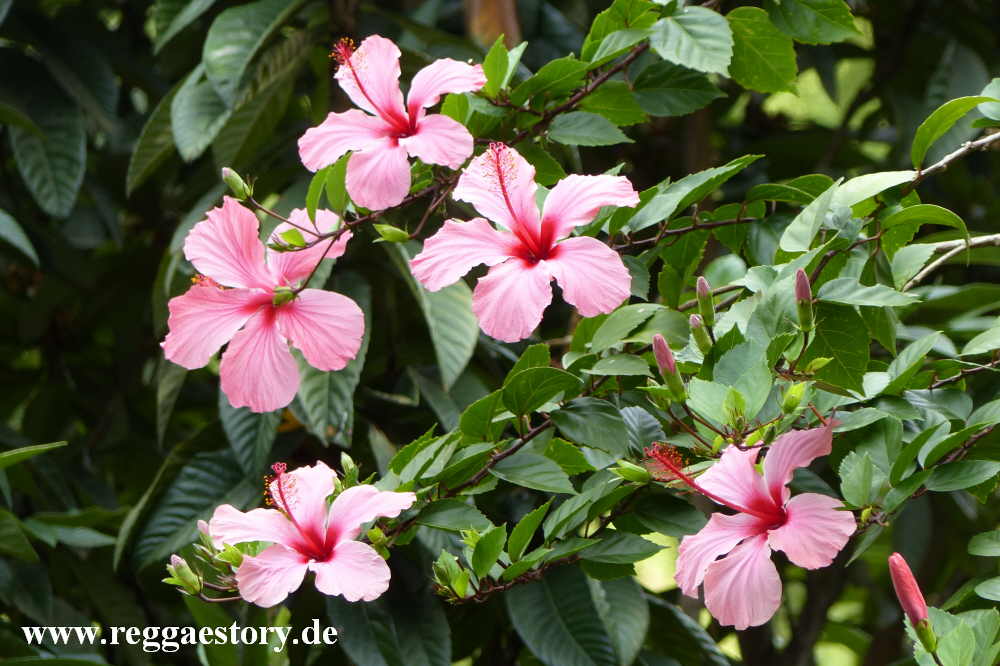 Image 495 - 499: Lots of green with interesting plants in the Eco-Omo Lodge 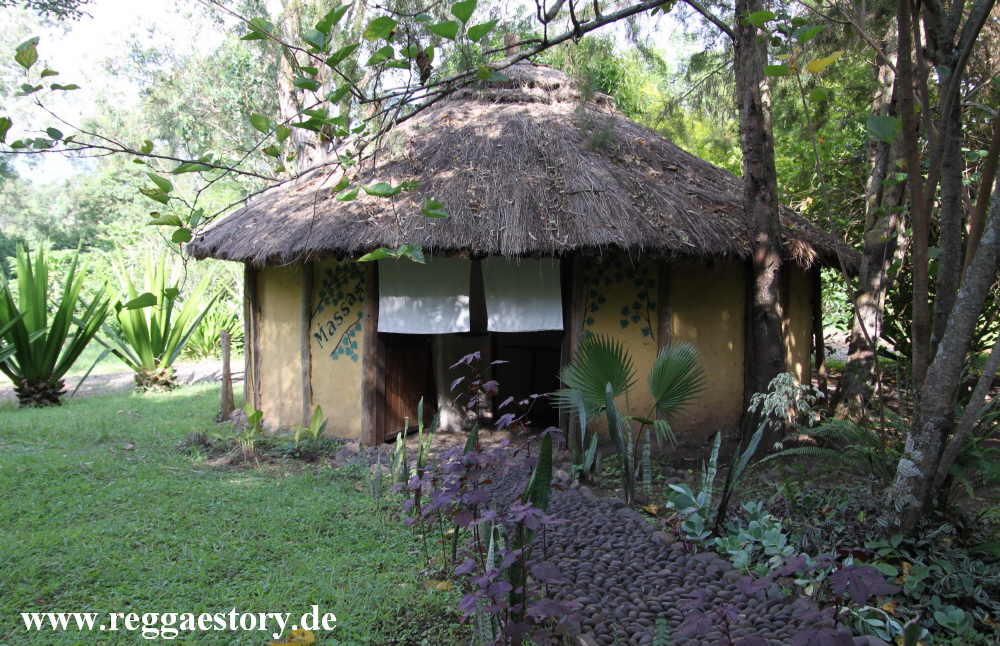 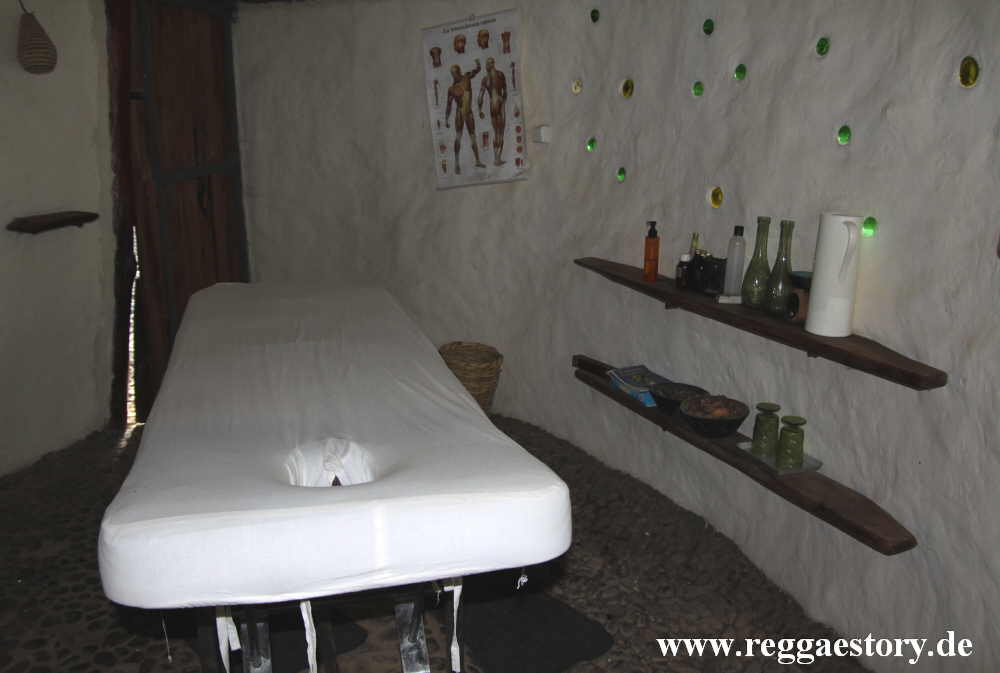 Image 500 + 501: Would you like an Ethiopian massage? 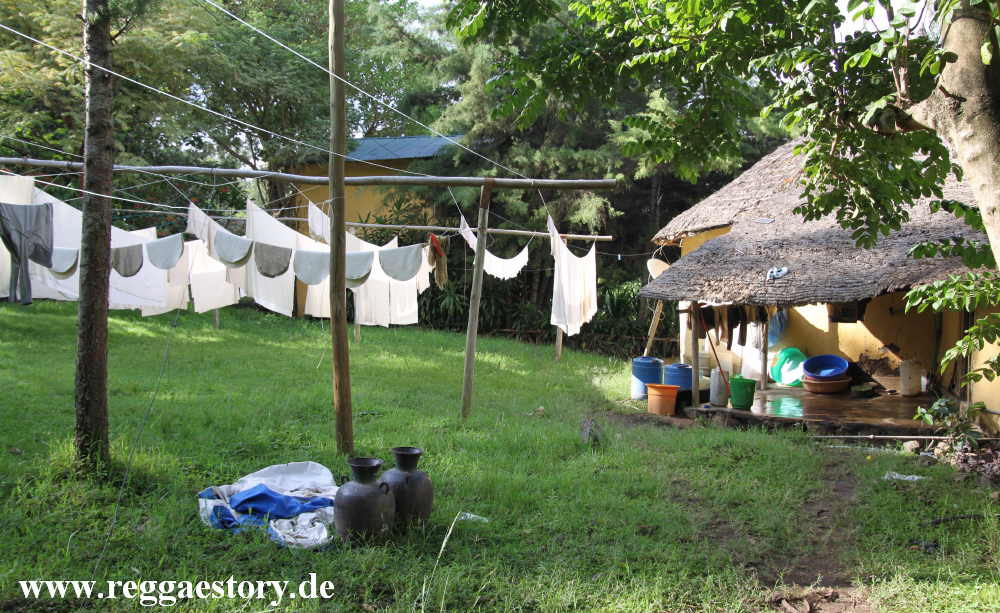 Image 502: The laundry with its end products in various "whites". ;-) The nursery has an extra fence but every visitor is welcome. If the gardener is present, you can get information about the most varied of cultivated plants and you can get one or the other seed for breeding at home. 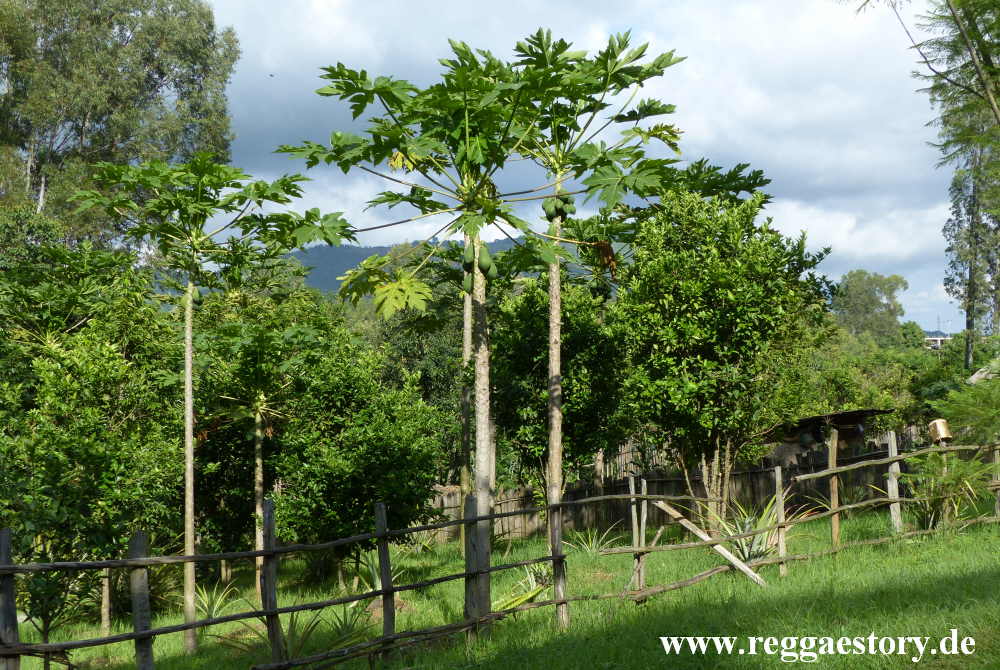 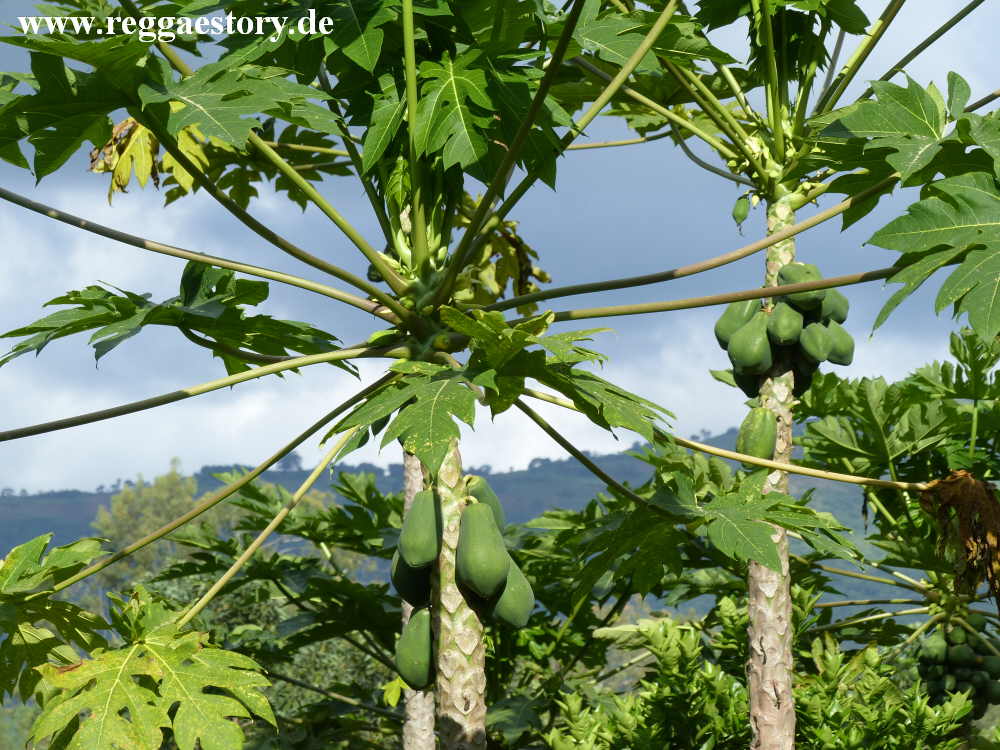 Image 503 + 504: Papaya trees in front of the nursery 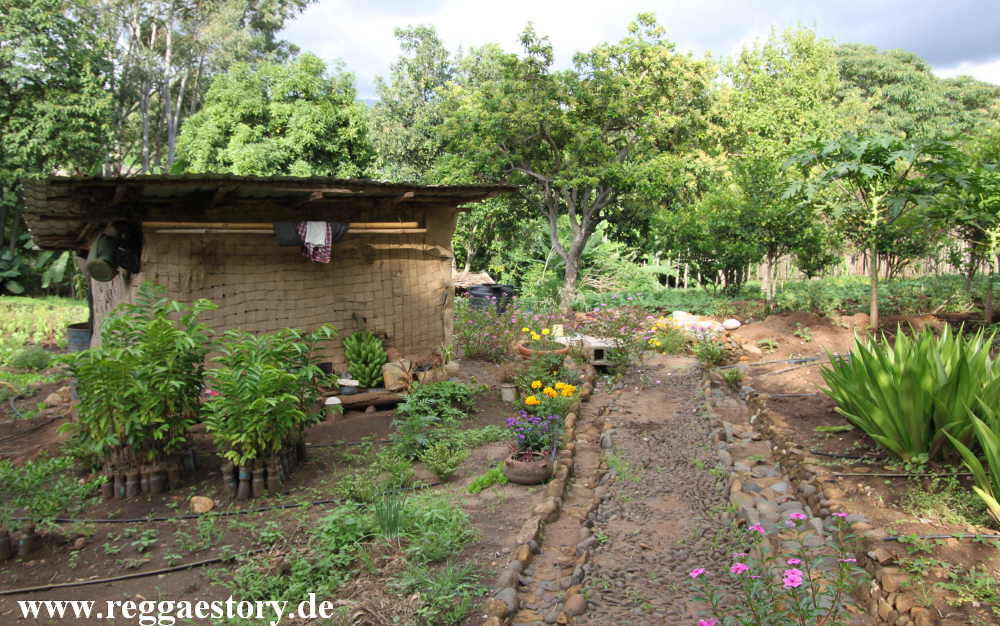 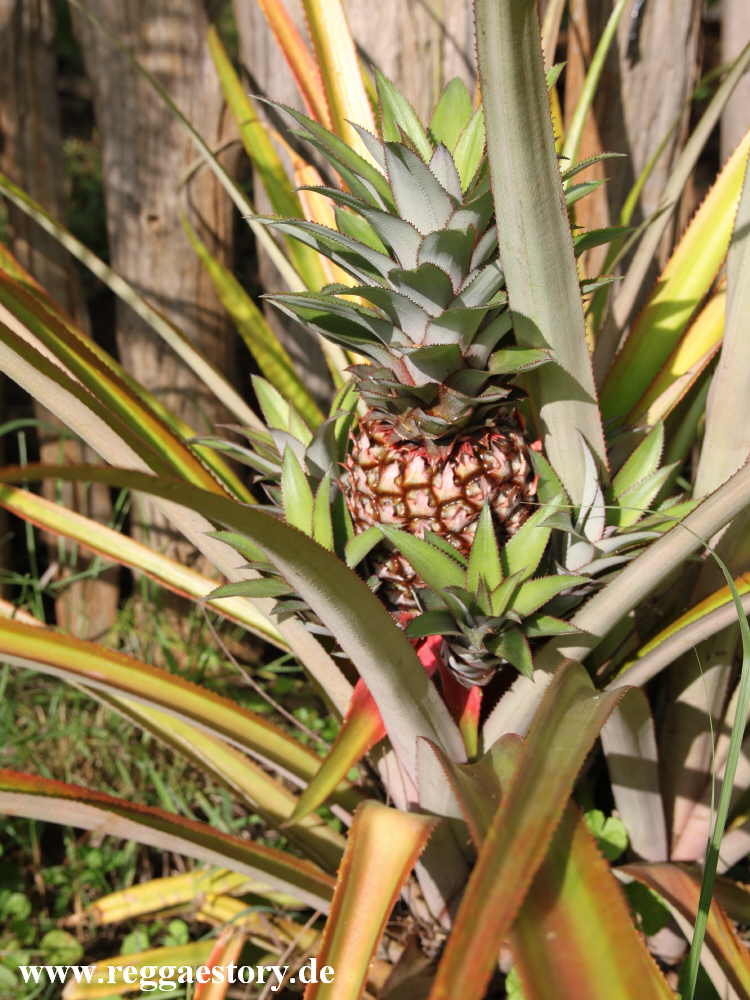
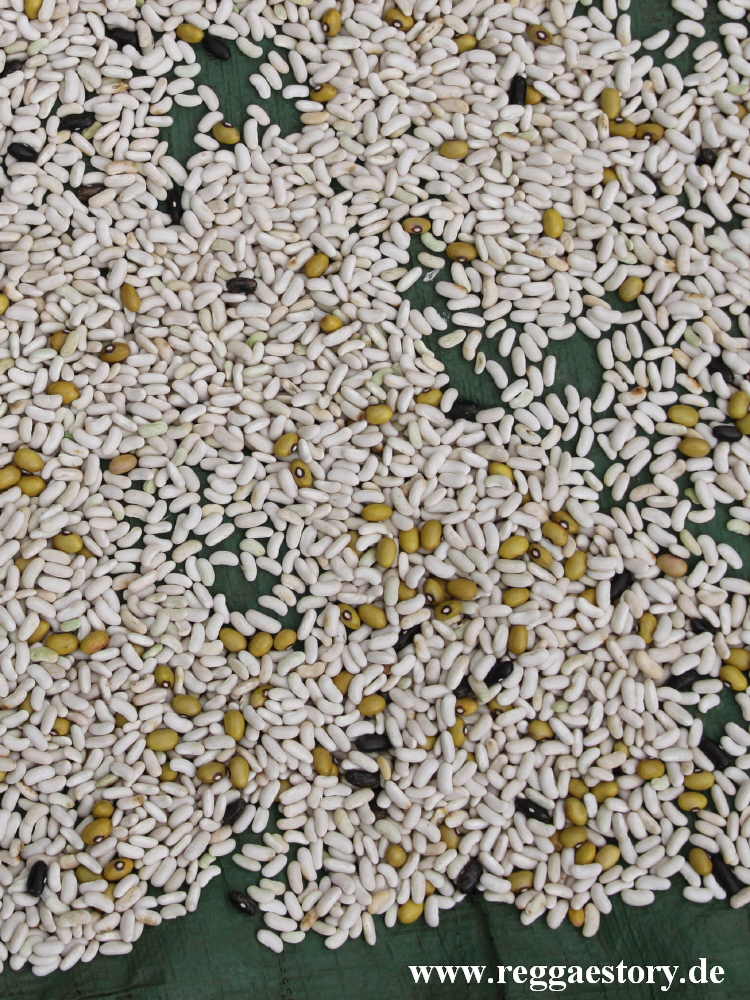 Image 505 - 507: The nursery of the Eco-Omo Lodge Image 506: Pineapple Image 507: The white beans are said to be the best. Very thin and extremely tender. We'll try that out. The grounds of the lodge are framed by a river to the east. You can't really go for a walk along the bank, but there is a path in the adjacent forest through which you can reach the bank at one point. 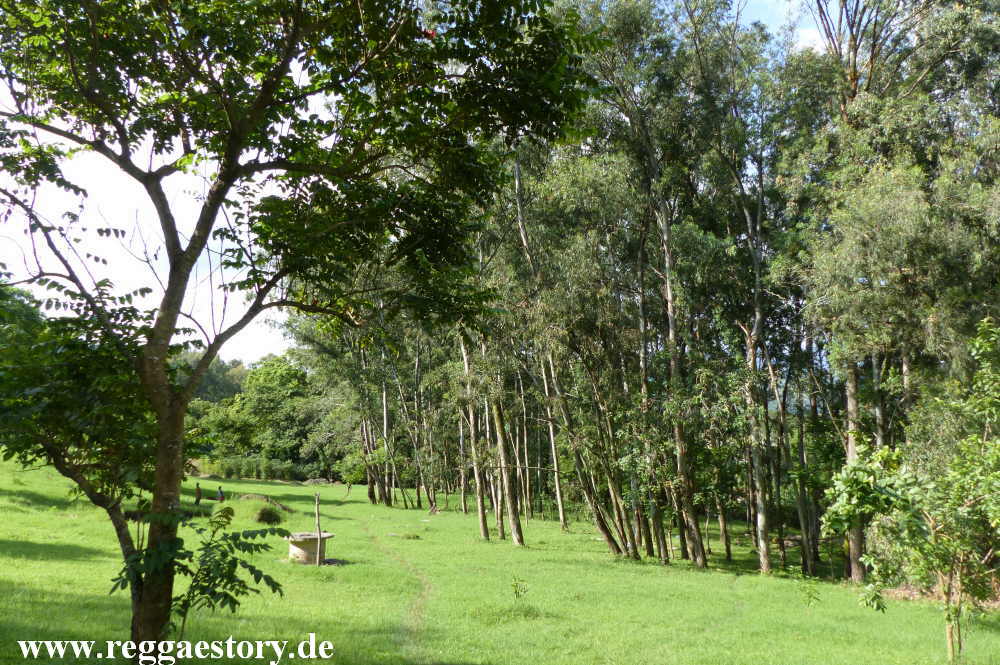 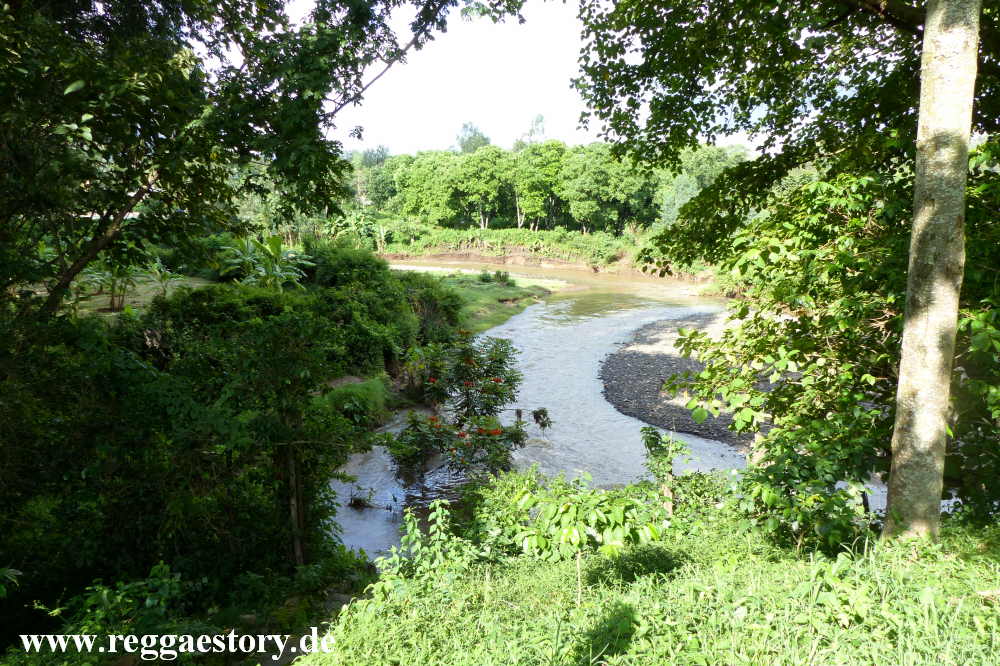 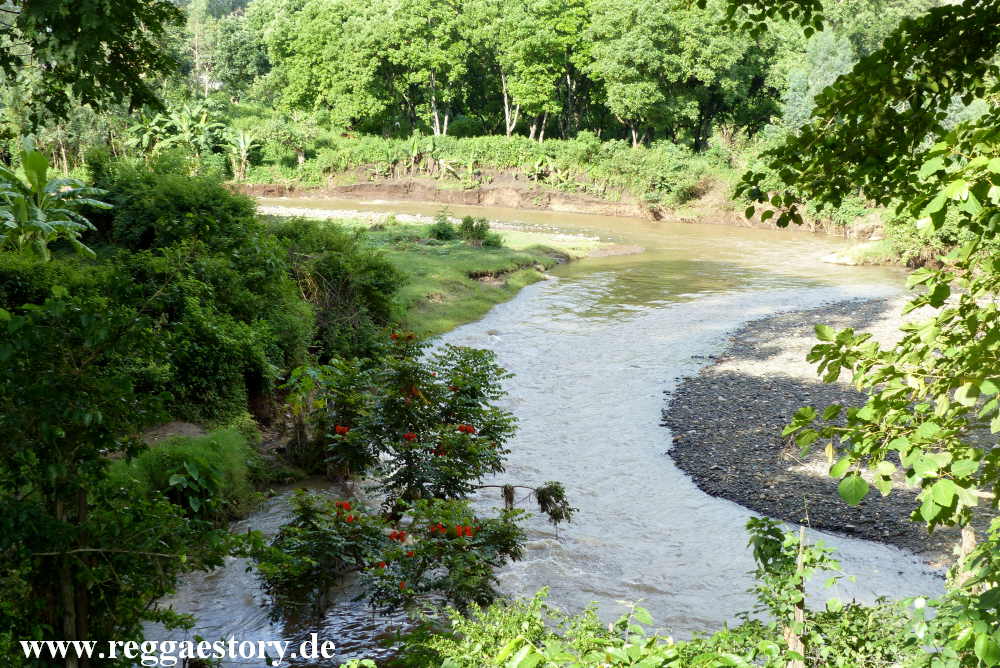 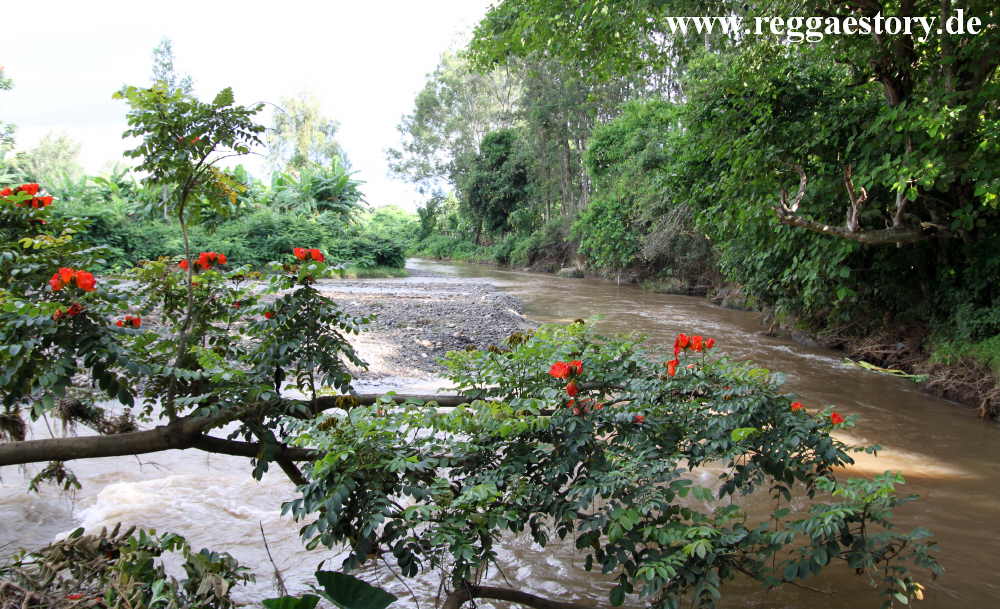 Image 508 - 511: On the way to the river at the Eco-Omo Lodge in Jinka Image 511: In the foreground a Spathodea campanulata / African tulip tree Video: The Eco-Omo Lodge of Jinka After the extensive exploration of the area, we only have the terrace of the restaurant, where we can comfortably wait for the twilight and the first mosquitoes in the area with a cold beer. For entertainment, a few birds have also come to pose for our camera without hesitation. When it comes to the selection of images, of course, we cannot decide what to discard and what not to. Unfortunately, the birds themselves do not have a say. ;-) 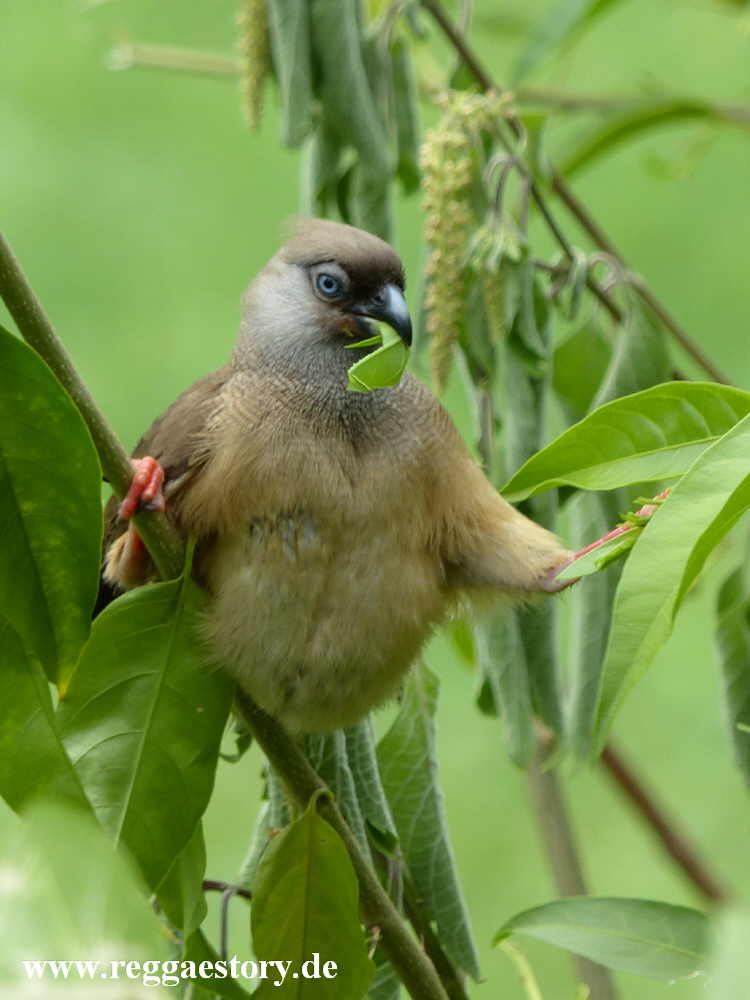
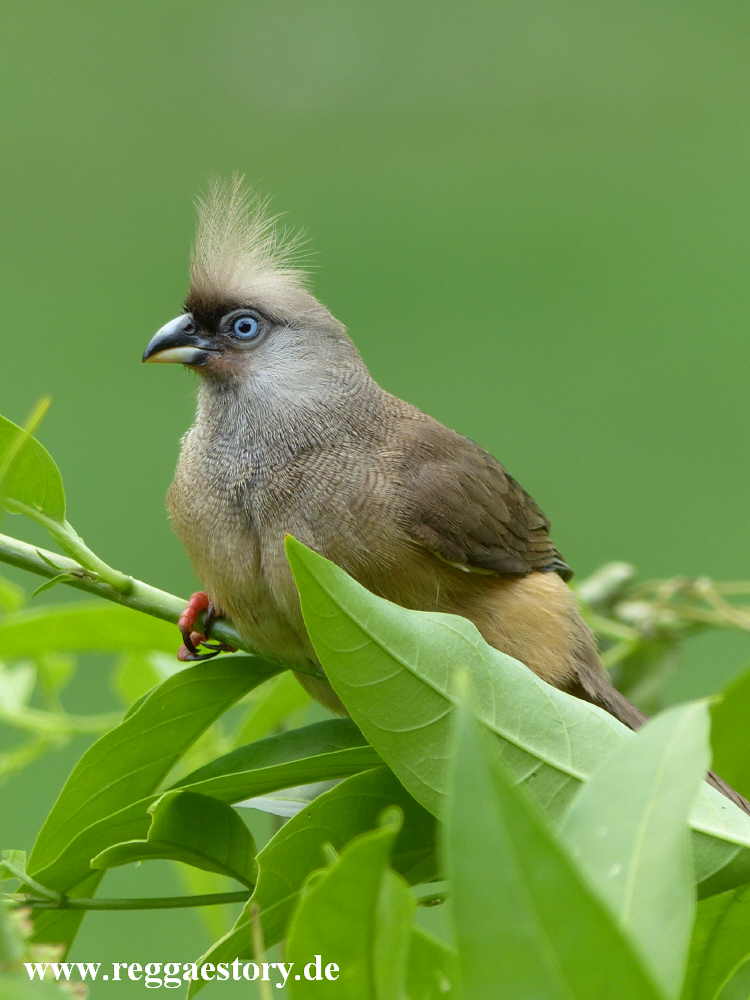 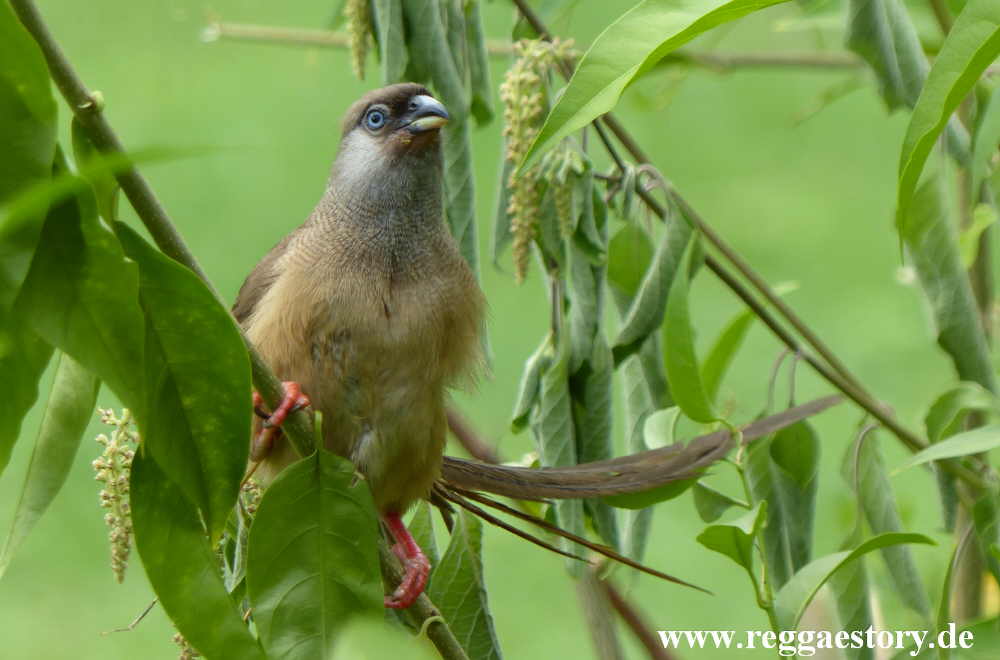 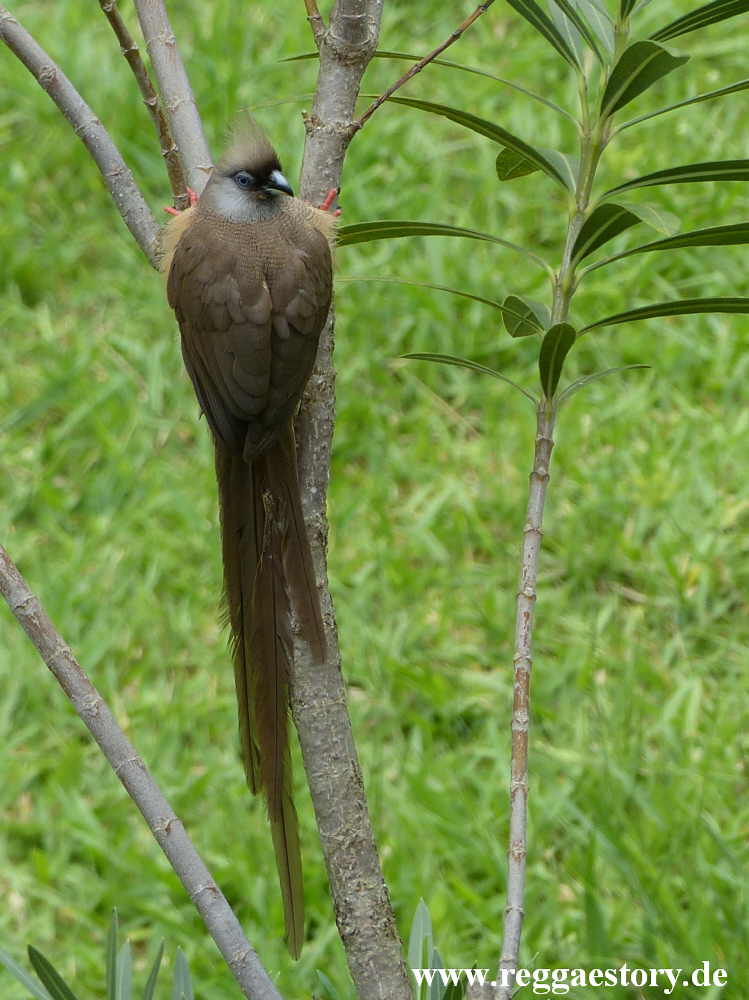
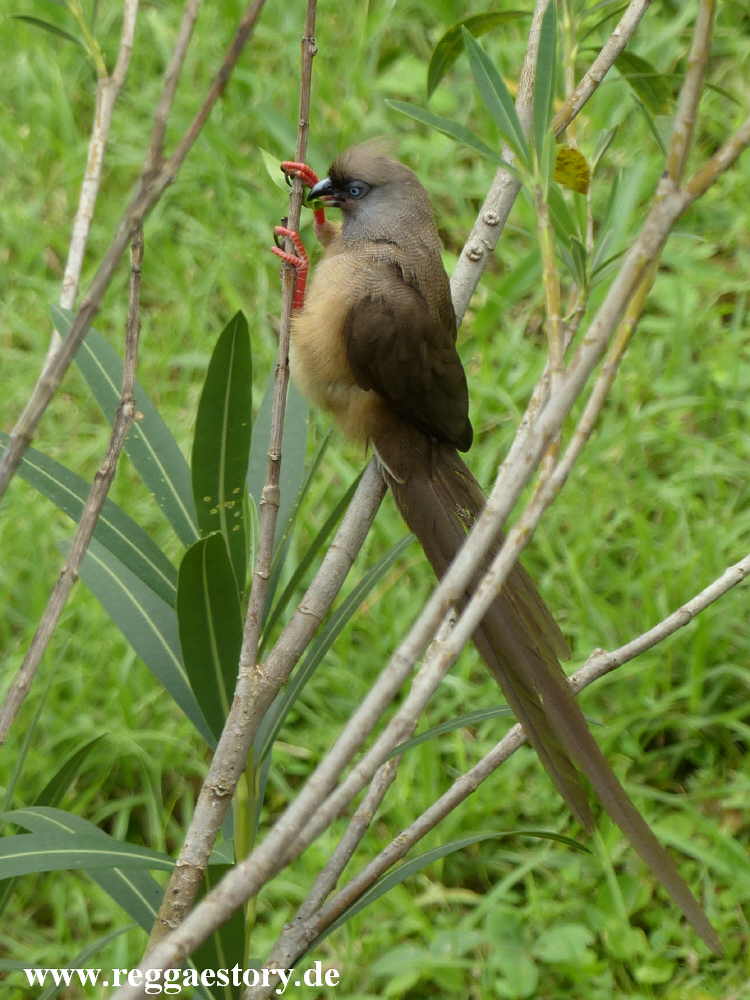 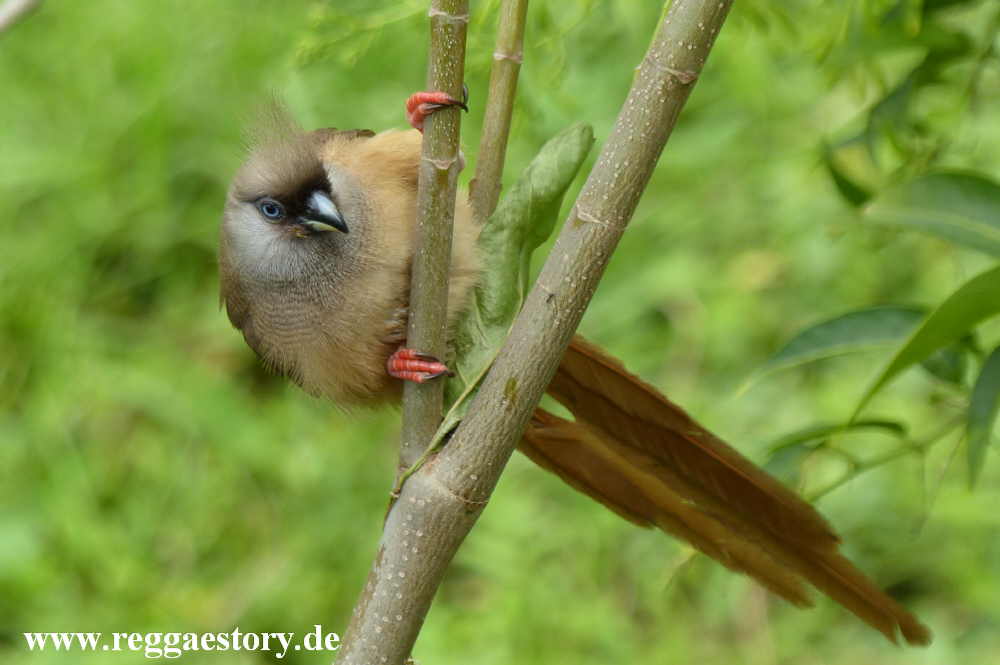 Image 512 - 517: The Speckled mousebird (also known as brown-winged mousebird or striped mousebird) that eats leaves as well as fruit. The last official act of the day is dinner in our beautiful restaurant, to which we will return later. The staff is not very busy, because here too we are almost the only guests. In addition to our table, only two other tables are occupied. We'll meet again tomorrow at the reception desk, before we go to the Mursi people and after that we will visit a very interesting market. Copyright: www.reggaestory.de Photos: Marion & Peter Joachim Text and videos: Peter Joachim English version: Gabriele Brown |
Zurück